India-US Trade Talks: Tariff Uncertainty Clouds Textile and Hotel Linen Supply Chains
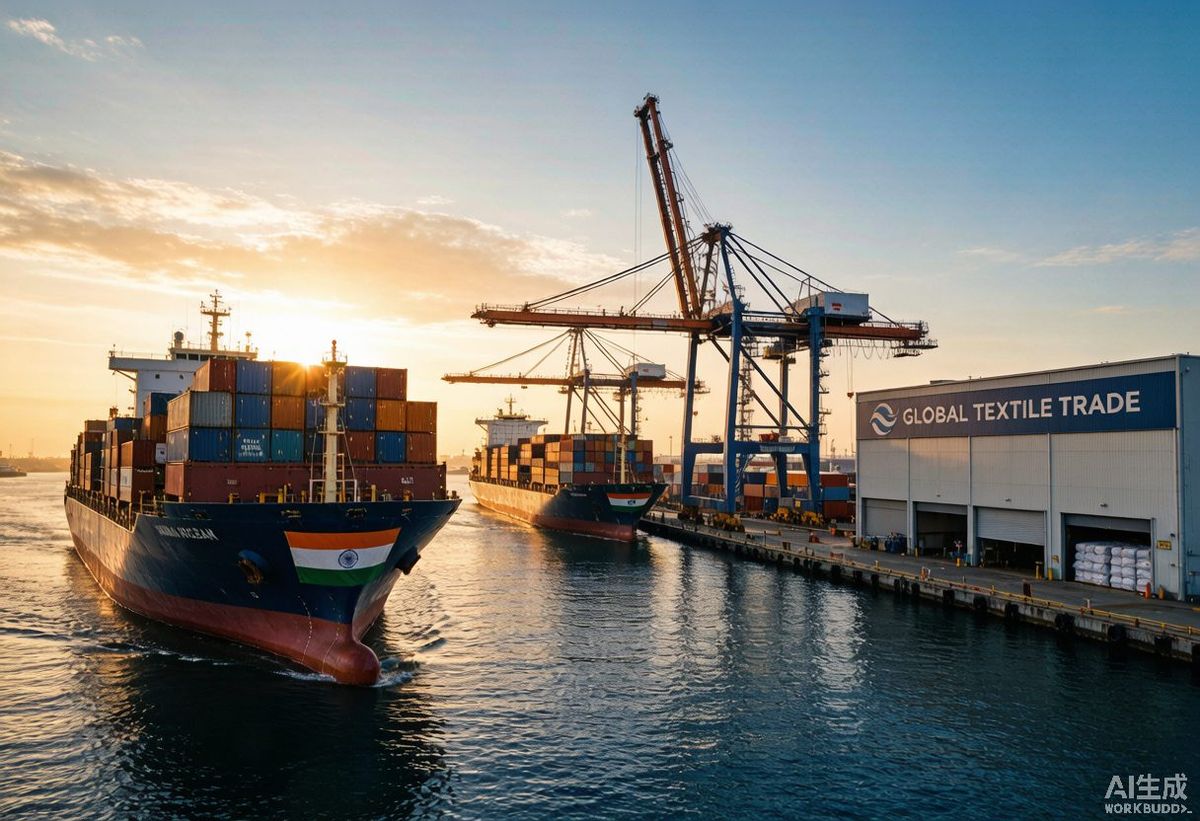
India-US Trade Talks: Tariff Uncertainty Clouds Textile Supply Chains
Indian textile and apparel exporters are navigating a fresh wave of uncertainty as they await clarity on US tariff negotiations scheduled to conclude later this month. With $10.5 billion in annual textile and apparel exports to the United States, India's competitive positioning in the global textile supply chain hangs in the balance.
The Tariff Calculus
India's negotiation strategy centers on securing a tariff advantage over rival sourcing destinations — primarily Vietnam, Bangladesh, and China. For hotel linen buyers who depend on a diversified supply base, the outcome of these talks will directly affect procurement costs and sourcing strategies.
"Brands and retailers are placing smaller and more frequent orders instead of committing to large contracts as they wait for greater clarity on tariffs," said Marc Lewkowitz, President and CEO of Supima. The shift to shorter order cycles is disruptive for hotel linen procurement, where lead times typically range from 45 to 75 days.
Cotton Price Dynamics
Indian benchmark 29mm cotton spot prices have risen to ₹65,000 per candy (approximately ₹182/kg) as of mid-July, reflecting both domestic production concerns and global supply tightness. Some exporters anticipated the price surge and pre-booked yarn with spinning mills to lock in costs.
The cotton landscape is particularly relevant for hotel textile products — bedsheets, towels, and bathrobes — where cotton constitutes approximately 70% of raw material input. In contrast, apparel manufacturing relies more heavily on polyester (70% of input), making the apparel segment less vulnerable to cotton price shocks.
West Asia Conflict: The Freight Wildcard
The renewed conflict in West Asia following the collapse of US-Iran peace negotiations introduces a significant freight cost variable. Military strikes in the Strait of Hormuz region threaten to disrupt global shipping routes, increase marine insurance premiums, and raise bunker fuel costs — all of which translate directly into higher ocean freight rates for textile shipments from Asia to Europe and the Americas.
Need these specs quoted for your property?
Tell us your hotel tier, quantities and timeline — get a free, no-obligation quote within 24 hours.
Three Scenarios for Hotel Linen Buyers
Scenario 1 — Favorable Deal: India secures tariff advantage over Southeast Asian competitors. More hotel linen sourcing shifts to India, particularly for mid-range and economy segment products. Indian cotton yarn and fabric become more price-competitive.
Scenario 2 — Stalemate: No deal, status quo tariffs remain. Buyers continue diversified sourcing with no dramatic shifts. Smaller, more frequent orders become the norm.
Scenario 3 — Escalation: Tariff negotiations break down, West Asia conflict intensifies. Freight costs spike 20-40%, India cotton exports face headwinds, and global hotel linen procurement costs rise across all origins.
What This Means for Your Sourcing Strategy
Hotel linen buyers should:
1. Monitor the India-US trade announcement (expected late July/early August)
2. Maintain at least two supplier relationships across different countries
3. Consider placing smaller, more frequent orders rather than large annual contracts
4. Build a 5-10% freight cost contingency into Q3-Q4 budgets
Shop Related Products
Free PDF: Complete Hotel Linen Buying Guide
Step-by-step procurement guide covering specs, MOQ, pricing, QC, and shipping — based on real Dieshiqiao experience.
Need help sourcing hotel linens?
Get a free quote within 24 hours. No commitment required.
Request a QuoteRelated Articles
Nantong Soft-Cloud Yarn: A Durability Breakthrough for Hotel Linens
Soft-cloud yarn technology from Nantong solves the softness-durability dilemma in hotel towels and bedding. What procurement managers should know.
September 2026 Textile Market: Peak Season Stalls, Raw Materials Diverge
China's 132nd cotton textile survey shows September peak season underperforming; cotton falls while polyester and viscose surge, creating cost divergence.
September 2026 Hotel Linen: Fabric Market Divergence and Peak Season
August 2026 fabric prices show upstream-downstream divergence as September peak season and ASEAN supply chain shifts reshape hotel linen sourcing.