Polyester-Cotton Blends for Hotel Linens: The 65/35 vs. 50/50 Debate in 2026
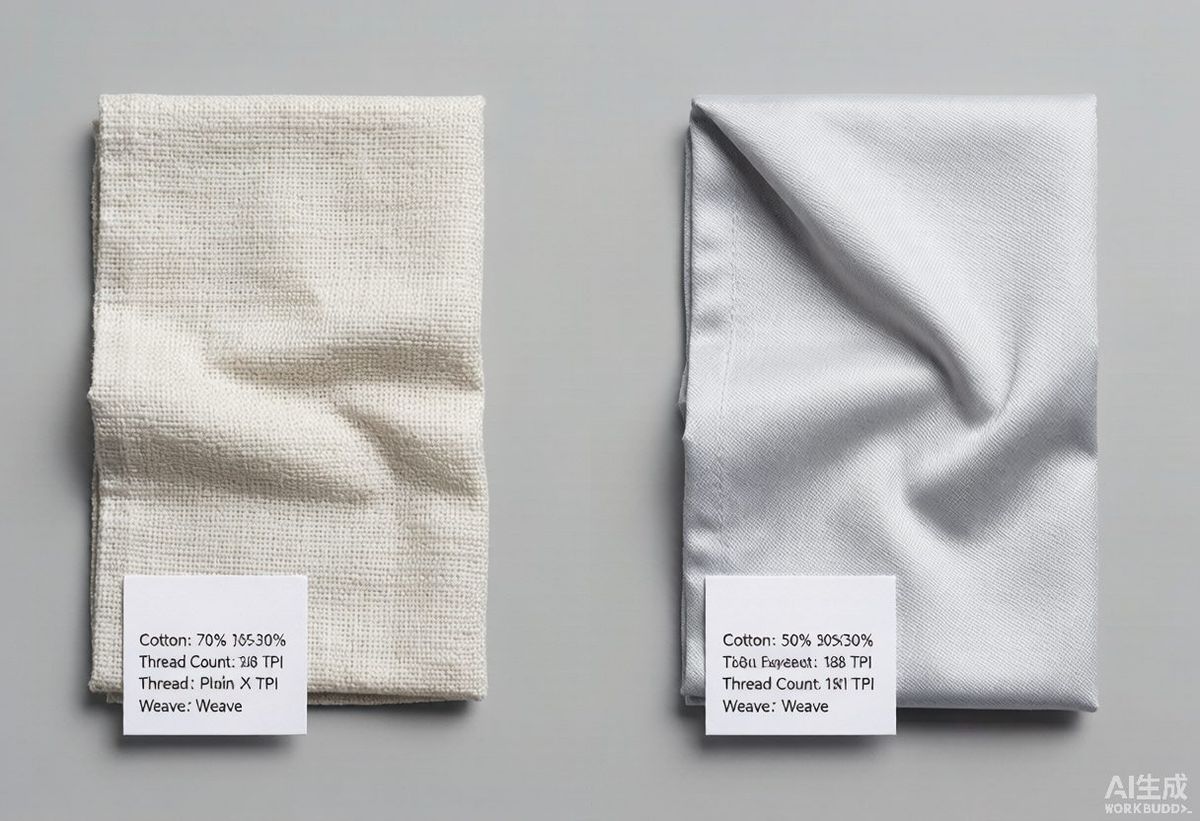
Polyester-Cotton Blends for Hotel Linens: The 65/35 vs. 50/50 Debate in 2026
The divergence in cotton and polyester pricing through mid-2026 is reshaping the blend ratio calculus for hotel linen procurement. With Xinjiang cotton at ¥17,400/ton and polyester staple fiber at ¥7,500/ton — a spread of nearly ¥10,000 — the economics of blend selection have shifted meaningfully.
The Price Gap Widens
In January 2026, the cotton-polyester price spread was approximately ¥8,000/ton. By late July, it had widened to ¥9,900 — nearly a 24% increase. This means every percentage point of cotton replaced by polyester in a blend delivers proportionally larger cost savings than at the start of the year.
For a typical hotel that orders 5,000 sets of bed linens annually, a shift from 80/20 cotton/polyester to 50/50 blend could reduce raw material costs by 12-15%, depending on construction and finishing requirements.
Blend Ratio Comparison
80/20 Cotton-Rich (Traditional Hotel Standard)
Hand feel: Natural, soft, breathable
Durability: Moderate (80-100 industrial wash cycles)
Wrinkle resistance: Poor — requires ironing
Cost: Highest among blends
Best for: 4-5 star hotels, boutique properties, guest-facing linens
65/35 Polyester-Cotton (T/C Blend)
Hand feel: Slightly crisp, less natural drape
Durability: Good (120-150 industrial wash cycles)
Wrinkle resistance: Improved — reduced laundry finishing time
Cost: ~15% cheaper than 80/20
Best for: 3-4 star hotels, economy chains, back-of-house linens
50/50 Cotton-Polyester
Hand feel: Compromise between natural and synthetic
Durability: Very good (150-200 industrial wash cycles)
Wrinkle resistance: Good — significantly reduced ironing
Cost: ~25% cheaper than 80/20
Best for: Budget hotels, high-turnover properties, rental linen services
35/65 Polyester-Cotton (Reverse Blend / CVC)
Hand feel: Synthetic-dominant, less breathable
Durability: Excellent (200+ industrial wash cycles)
Wrinkle resistance: Excellent — minimal ironing needed
Need these specs quoted for your property?
Tell us your hotel tier, quantities and timeline — get a free, no-obligation quote within 24 hours.
Best for: Hospital linens, institutional laundry, extreme-use environments
The 2026 Tipping Point
Several factors make 2026 a pivotal year for blend reconsideration:
Factor 1: Cotton Supply Uncertainty
With El Niño concerns, Xinjiang drought, and global cotton stocks at multi-year lows, cotton prices are expected to remain elevated through at least Q1 2027. This structural price pressure makes polyester substitution economically rational for price-sensitive hotel segments.
Factor 2: Improved Polyester Technology
Modern micro-polyester fibers have significantly improved hand feel and moisture wicking properties compared to polyester of a decade ago. High-quality CVC blends are now difficult to distinguish from cotton-rich blends in blind testing.
Factor 3: Laundry Cost Optimization
Polyester-rich blends require less water, lower drying temperatures, and shorter finishing time in commercial laundries. A 50/50 blend can reduce per-cycle laundry costs by 15-20% compared to 80/20, a significant consideration for properties operating in-house laundries.
The Quality Trade-Off
The key trade-offs hotel buyers must evaluate:
| Attribute | 80/20 Cotton | 50/50 Blend | 35/65 CVC |
|-----------|-------------|-------------|-----------|
| Guest comfort perception | ★★★★★ | ★★★☆☆ | ★★☆☆☆ |
| Industrial wash durability | ★★★☆☆ | ★★★★☆ | ★★★★★ |
| Wrinkle recovery | ★★☆☆☆ | ★★★★☆ | ★★★★★ |
| Stain release | ★★★★★ | ★★★☆☆ | ★★☆☆☆ |
| Color retention | ★★★☆☆ | ★★★★☆ | ★★★★★ |
| Raw material cost | Highest | -25% | -35% |
| Laundry cost/cycle | Highest | -15% | -25% |
Recommendation by Hotel Segment
Luxury/5-Star: Maintain 100% cotton or 80/20. Guest experience and brand standards justify the premium.
Mid-Range/4-Star: Consider 65/35 T/C for duvet covers and sheets in standard rooms, keeping 80/20 for suites and premium rooms.
Economy/3-Star: 50/50 is a strong value proposition. The durability advantage means fewer replacements, offsetting the minor guest perception trade-off.
Rental Linen Services: 35/65 CVC or even 100% polyester for maximum cycle life. Rental models prioritize total cost per use over guest perception.
The Bottom Line
In the current pricing environment, a strategic shift from 80/20 to 65/35 T/C blend for mid-range hotel linens offers an 8-12% procurement cost reduction with acceptable quality trade-offs. For budget properties, 50/50 now delivers a compelling cost-quality balance that was harder to justify when cotton was ¥15,000/ton.
Shop Related Products
Free PDF: Complete Hotel Linen Buying Guide
Step-by-step procurement guide covering specs, MOQ, pricing, QC, and shipping — based on real Dieshiqiao experience.
Need help sourcing hotel linens?
Get a free quote within 24 hours. No commitment required.
Request a QuoteRelated Articles
Nantong Soft-Cloud Yarn: A Durability Breakthrough for Hotel Linens
Soft-cloud yarn technology from Nantong solves the softness-durability dilemma in hotel towels and bedding. What procurement managers should know.
September 2026 Textile Market: Peak Season Stalls, Raw Materials Diverge
China's 132nd cotton textile survey shows September peak season underperforming; cotton falls while polyester and viscose surge, creating cost divergence.
September 2026 Hotel Linen: Fabric Market Divergence and Peak Season
August 2026 fabric prices show upstream-downstream divergence as September peak season and ASEAN supply chain shifts reshape hotel linen sourcing.