El Nino 2026: How Weather Will Shape Cotton and Textile Prices Through 2027
El Nino Declared: What It Means for Cotton
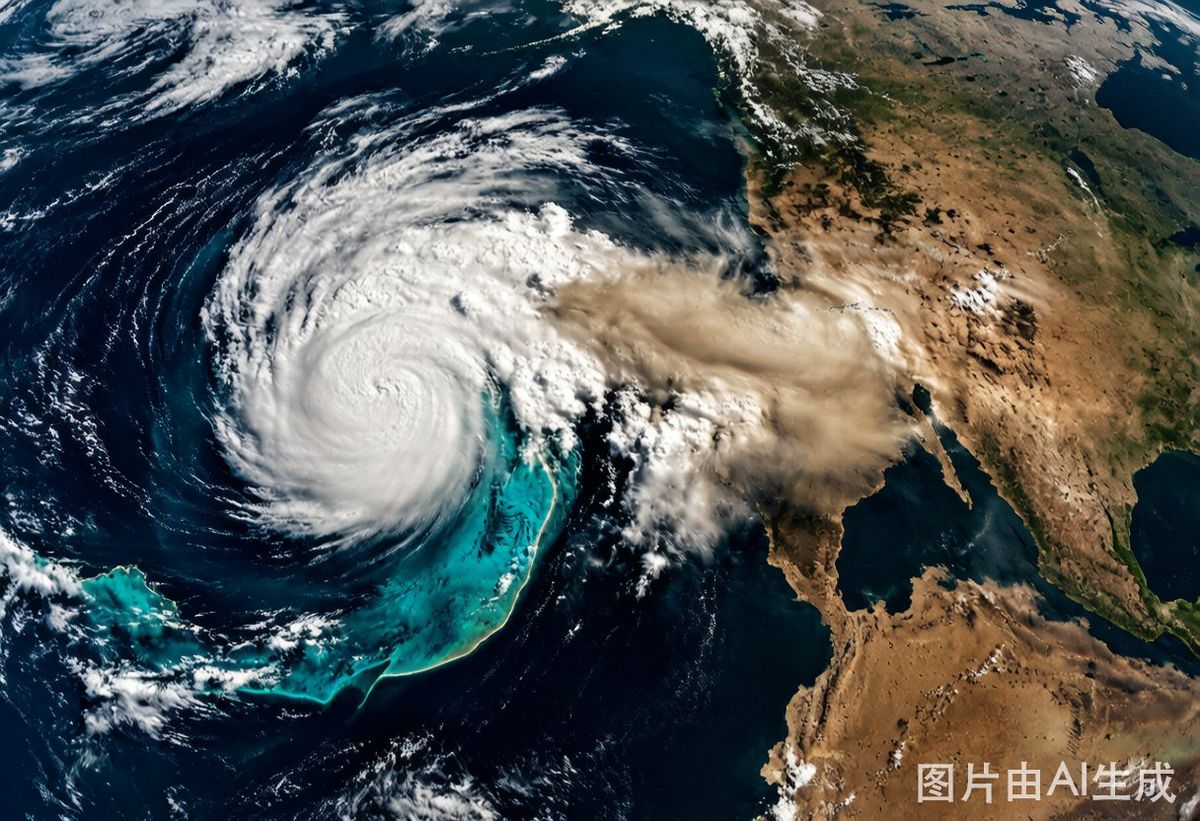
The US National Oceanic and Atmospheric Administration's Climate Prediction Center declared El Nino conditions present in June 2026. The agency forecasts further strengthening through H2 2026, with a 73 percent probability of at least a strong event developing between July and September.
This weather phenomenon will have significant implications for global cotton production and, consequently, for hotel linen pricing through 2027.
Regional Impact Assessment
Northern Hemisphere Producers (relatively insulated)
**China and South Asia**
Historically, El Nino is associated with below-average rainfall
This could prove favourable for cotton harvesting in China
However, the current Xinjiang heatwave is a separate weather event
India benefits from a normal monsoon, supporting its 1.0 percent production increase forecast
**United States**
El Nino typically brings wetter-than-normal conditions
This may disrupt harvesting without causing significant yield losses
Already dealing with drought conditions (44 percent good-to-excellent rating, down 10 points YoY)
USDA has reduced production forecast to lowest in years
Southern Hemisphere Producers (high risk)
**Australia (highest risk)**
El Nino is typically associated with below-average rainfall in Australia
Murray-Darling Basin storage at 52.9 percent (down from 60.4 percent a year earlier)
USDA projects Australian cotton acreage to decline by 30.9 percent year-on-year to 325,000 hectares
Smaller Australian crop will sustain bullish sentiment through H2 2026
**Brazil**
Less directly affected by El Nino for cotton
Brazilian production has been expanding
Brazil's position as China's largest cotton supplier (52 percent) provides some buffer
Timeline: When Weather Becomes Price
July-September 2026 (now)
El Nino strengthening period
Northern Hemisphere crops in critical growth stages
Australian planting decisions being made
Speculative positioning in cotton futures at elevated levels
October-December 2026
Northern Hemisphere harvest reveals actual yields
Australian crop enters critical growth phase
Price impact begins to crystallize
Hotel linen orders placed now will reflect weather-determined cotton costs
January-March 2027
Australian harvest reveals El Nino damage
Final 2026/27 production numbers confirmed
Cotton futures may spike if Australian crop is significantly reduced
Hotel linen prices adjust to new cotton cost baseline
April-June 2027
New crop year planning begins
El Nino may weaken, but its effects persist in the supply chain
Need these specs quoted for your property?
Tell us your hotel tier, quantities and timeline — get a free, no-obligation quote within 24 hours.
Hotel linen procurement budgets for 2027-2028 set
Quantitative Impact Assessment
Cotton production forecasts
| Region | 2026/27 Forecast | Change YoY | El Nino Risk |
|--------|-------------------|------------|--------------|
| China | 33.5M bales | -6.4% | Low (insulated) |
| India | Growth | +1.0% | Low (normal monsoon) |
| USA | 13.3M bales | -4.3% | Moderate (wet harvest) |
| Brazil | Stable to growth | Flat | Low |
| Australia | Reduced | -30.9% acreage | High (drought) |
| Global | 120.4M bales | -4.4% | Moderate overall |
Price impact projections
| Period | Projected Price (ICE cotton) | Key Driver |
|--------|-------------------------------|------------|
| Q3 2026 | 80.3 cents/lb | Weather risk premium |
| Q4 2026 | 82.5 cents/lb | Supply deficit confirmation |
| H1 2027 | 78-85 cents/lb | Australian crop damage assessment |
| H2 2027 | 75-85 cents/lb | Normalization (if La Nina develops) |
What Hotel Linen Buyers Should Do
Immediate actions (July-August 2026)
1. Lock in Q4 2026 and Q1 2027 orders at current prices
2. Request 60-90 day price validity from suppliers
3. Build buffer inventory for high-cotton-content items
4. Review your supplier's cotton sourcing mix (Brazilian vs. Australian vs. domestic)
Medium-term strategy (September-December 2026)
1. Monitor Australian crop conditions weekly
2. Place 2027 annual contracts before December
3. Consider hedging through forward contracts if available
4. Evaluate alternative fiber products for budget tiers
Long-term planning (2027 and beyond)
1. Budget for 5-10 percent higher cotton-based linen costs in 2027
2. Develop dual-sourcing strategy (China + Vietnam/Bangladesh)
3. Invest in linen management technology to extend product life
4. Consider sustainable fiber alternatives (recycled cotton, bamboo, hemp)
El Nino vs. La Nina: What Comes Next?
Historically, strong El Nino events are followed by La Nina conditions within 12-18 months. If this pattern holds:
El Nino peaks in Q3-Q4 2026
La Nina could develop by mid-2027
La Nina typically brings better growing conditions for cotton
This could lead to a production recovery in 2027/28
Prices may ease in late 2027 if La Nina delivers improved crops
Conclusion
El Nino 2026 is a confirmed risk factor that will affect cotton prices through at least mid-2027. The Australian crop is the most vulnerable, with acreage already projected down 31 percent. Hotel linen buyers should treat the current price environment as the new floor, not a temporary spike, and secure their procurement needs before weather damage is fully reflected in market prices. The silver lining: historically, El Nino is followed by La Nina, which could bring production recovery and price relief in late 2027.
Shop Related Products
Free PDF: Complete Hotel Linen Buying Guide
Step-by-step procurement guide covering specs, MOQ, pricing, QC, and shipping — based on real Dieshiqiao experience.
Need help sourcing hotel linens?
Get a free quote within 24 hours. No commitment required.
Request a QuoteRelated Articles
Nantong Soft-Cloud Yarn: A Durability Breakthrough for Hotel Linens
Soft-cloud yarn technology from Nantong solves the softness-durability dilemma in hotel towels and bedding. What procurement managers should know.
September 2026 Textile Market: Peak Season Stalls, Raw Materials Diverge
China's 132nd cotton textile survey shows September peak season underperforming; cotton falls while polyester and viscose surge, creating cost divergence.
September 2026 Hotel Linen: Fabric Market Divergence and Peak Season
August 2026 fabric prices show upstream-downstream divergence as September peak season and ASEAN supply chain shifts reshape hotel linen sourcing.