2026 Fabric Innovation Trends Shaping Hotel Linen Procurement
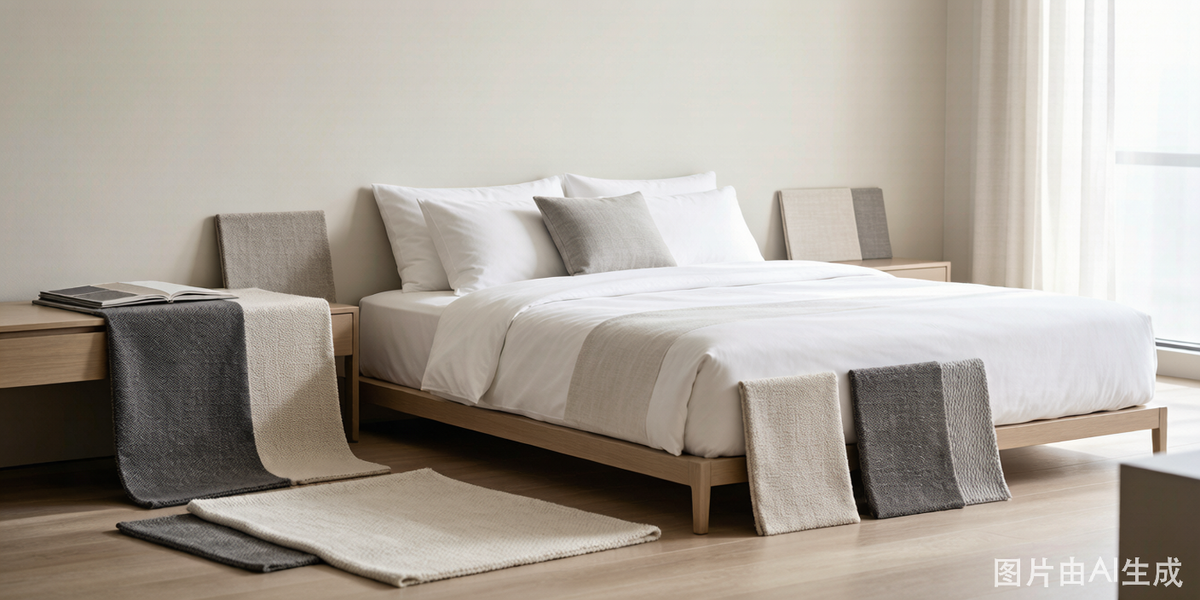
The 2026 Intertextile Greater Bay Area International Textile Fair, held June 9–11 in Shenzhen, brought together nearly 1,000 exhibitors from nine countries across 50,000 square meters of exhibition space. For hotel linen buyers sourcing from China, this expo offered a clear window into the technologies, materials, and compliance frameworks that will define procurement over the next 12–18 months. Here are the key takeaways.
Sustainable Fabrics Are No Longer Optional
The expo’s dedicated sustainability zone showcased a comprehensive ecosystem of green solutions: recycled polyester blends for bed sheets, organic cotton-linen combinations for premium properties, and plant-based dyeing processes that eliminate heavy metals from the coloration cycle. Carbon footprint calculation systems and digital product passports were front and center—a direct response to the EU’s advancing textile regulations. For buyers supplying European hotel chains, requesting a supplier’s sustainability certifications and carbon accounting capabilities is becoming a procurement baseline rather than a differentiator.
Moisture-Control and Temperature-Regulating Technologies
Several exhibitors demonstrated advanced moisture-management fabrics engineered specifically for hospitality use. These textiles integrate phase-change materials and smart fiber structures that wick perspiration while maintaining thermal comfort—a critical advantage for tropical and subtropical properties. Hotel linen buyers targeting resort and wellness segments should evaluate GSM ratings alongside these functional performance metrics, as thread count alone no longer captures the full quality picture.
Waterless Dyeing and AI-Powered Pattern Engines
Two production-floor innovations stood out. Waterless dyeing technology reduces water consumption by up to 90% in the coloration process, lowering both environmental impact and per-unit production costs. Separately, AI-driven pattern engines enable rapid customization of jacquard and embroidery designs with minimal setup time—particularly valuable for buyers ordering branded linens with logos or property-specific motifs. These technologies shorten lead times for custom orders from weeks to days.
Digital Product Passports: What Buyers Need to Prepare
The seminar on global trade compliance made one point emphatically clear: textile product digital passports are moving from voluntary to mandatory across major markets. The EU’s Digital Product Passport regulation will require detailed traceability data—from raw fiber origin to manufacturing conditions and chemical usage. Buyers importing hotel linens into Europe should begin requesting full supply chain documentation from their Chinese suppliers now, rather than waiting for compliance deadlines to arrive.
Fast-Response Supply Chains Gain Momentum
Need these specs quoted for your property?
Tell us your hotel tier, quantities and timeline — get a free, no-obligation quote within 24 hours.
Compliance Services Consolidate Into One-Stop Solutions
A growing number of exhibitors offered integrated compliance packages: OEKO-TEX certification, GOTS organic verification, REACH chemical compliance, and GB/T 22800-2023 Chinese national standards testing—all managed under a single service umbrella. This consolidation is significant for international buyers who previously had to coordinate multiple certification bodies. When evaluating suppliers, asking whether they offer end-to-end compliance documentation can save weeks in the procurement cycle.
Key Takeaways for Hotel Linen Buyers
1. Prioritize suppliers with verified sustainability credentials—it is becoming a regulatory requirement in key markets.
2. Evaluate functional performance (moisture management, thermal regulation) alongside traditional quality metrics.
3. Request digital product passport readiness from current and prospective suppliers.
4. Leverage fast-response supply hubs for custom orders and time-sensitive procurement.
5. Consolidate compliance documentation through one-stop certification partners.
This article was adapted from Chinese textile industry sources. For custom hotel linen inquiries, visit nantonglinens.com.
Shop Related Products
Free PDF: Complete Hotel Linen Buying Guide
Step-by-step procurement guide covering specs, MOQ, pricing, QC, and shipping — based on real Dieshiqiao experience.
Need help sourcing hotel linens?
Get a free quote within 24 hours. No commitment required.
Request a QuoteRelated Articles
Nantong Soft-Cloud Yarn: A Durability Breakthrough for Hotel Linens
Soft-cloud yarn technology from Nantong solves the softness-durability dilemma in hotel towels and bedding. What procurement managers should know.
September 2026 Textile Market: Peak Season Stalls, Raw Materials Diverge
China's 132nd cotton textile survey shows September peak season underperforming; cotton falls while polyester and viscose surge, creating cost divergence.
September 2026 Hotel Linen: Fabric Market Divergence and Peak Season
August 2026 fabric prices show upstream-downstream divergence as September peak season and ASEAN supply chain shifts reshape hotel linen sourcing.