Hotel Bedding Quality Standards 2026: A Procurement Manager’s Guide
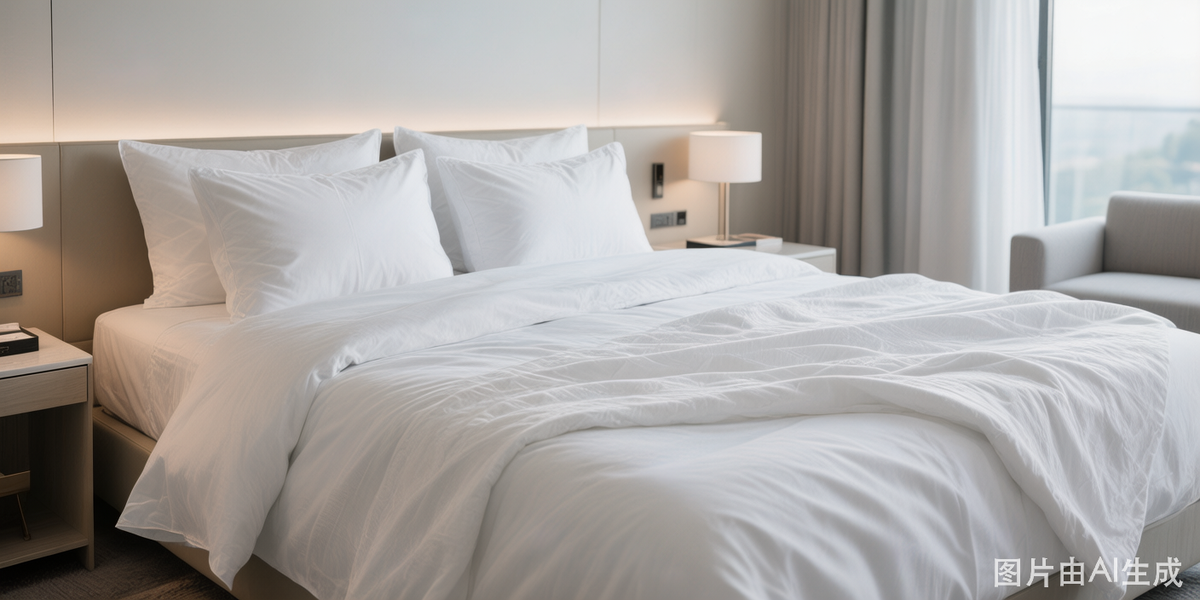
Hotel bedding represents one of the highest-impact investments a hospitality property makes. A guest may forget the lobby design or the breakfast menu, but they will remember how they slept. For procurement managers and hotel owners sourcing from China’s textile hubs, understanding the technical parameters behind quality bedding is essential to making informed purchasing decisions. This guide breaks down the key specifications, standards, and emerging trends shaping hotel bedding procurement in 2026.
Yarn Count and Density: The Foundation of Quality
The two most fundamental metrics in hotel bedding are yarn count and fabric density. Yarn count, measured in English cotton count (Ne or S), indicates fiber fineness—higher numbers mean finer, smoother yarns. Five-star properties commonly specify 60S or above using long-staple cotton varieties. Luxury-tier installations often go to 80S × 80S in a sateen weave, achieving a silk-like hand feel that guests associate with premium accommodation. Fabric density, expressed as warp × weft thread count per inch, determines durability and drape. A 133 × 72 construction, for instance, delivers the crispness and longevity expected in high-turnover commercial laundry environments. The interplay between yarn count and density is critical: too high a count on too loose a weave creates a fragile fabric; too dense a weave on coarse yarns feels stiff. Professional sourcing agents test both parameters against the hotel’s specific wash cycle requirements.
Fabric Composition: Cotton, Blends, and Specialty Fibers
Bedding composition directly affects comfort, durability, and cost. For guest-contact items, 100% cotton remains the industry standard for five-star properties, with Egyptian cotton and Supima (Pima) cotton commanding premiums for their extra-long staple fibers that produce stronger, smoother yarns. For economy and midscale properties, poly-cotton blends—typically 65% cotton / 35% polyester—offer a practical compromise, reducing wrinkling and extending service life while maintaining acceptable hand feel. The key specification to verify is minimum cotton content: industry best practice sets 50% as the floor for any product touching the guest. Blends with higher polyester content may be used for decorative top sheets or pillow shams but should never appear in direct skin-contact applications.
Filling Standards for Duvets and Pillows
Filling quality separates a forgettable night from a restorative one. For down duvets, procurement teams should specify minimum 90% down content, with 800+ cuin fill power for luxury installations and 1000mm+ cleanliness rating for allergen-sensitive environments. The baffle-box construction method, using internal fabric walls to prevent down migration, is preferred over sewn-through designs for consistent thermal performance. Pillow specifications demand equal attention: memory foam pillows should exhibit 3–5 second rebound time for optimal support; down pillows require verified fill distribution testing. A dual-density pillow design, combining a soft upper layer for comfort with a firmer core for cervical support, has become the specification of choice for premium hotel chains seeking to minimize guest complaints about neck discomfort.
Stitching and Construction: What Separates Professional Grade
Need these specs quoted for your property?
Tell us your hotel tier, quantities and timeline — get a free, no-obligation quote within 24 hours.
Certifications That Matter: OEKO-TEX and Beyond
In 2026, environmental and safety certifications have moved from marketing differentiators to procurement prerequisites. OEKO-TEX Standard 100 certification verifies that every component of a textile product has been tested for harmful substances including formaldehyde, heavy metals, and banned azo dyes. For hotels targeting eco-conscious travelers or meeting corporate ESG requirements, this is non-negotiable. Color fastness to washing should achieve Grade 4–5, ensuring bedding maintains its appearance through repeated high-temperature commercial laundering. Reactive dyeing processes, which chemically bond color to fiber rather than coating it, deliver superior fastness results. Additionally, ISO 9001 quality management and ISO 14001 environmental management certifications indicate a supplier’s operational maturity and should factor into sourcing decisions.
Smart Procurement Strategy: Tiered Approach and Lifecycle Management
The most cost-effective procurement strategies recognize that not every bed in every room type needs the same specification. A tiered approach allocates premium 80S cotton bedding with high-fill-power down to suites and executive floors, while standard rooms receive quality 60S cotton or cotton-rich blends. This can reduce total bedding expenditure by 15–20% without compromising guest satisfaction where it matters most. Equally important is lifecycle management: establish a replacement schedule—18 months for sheets and duvet covers, 12 months for pillow inserts—based on expected wash cycles rather than visual inspection alone. Partnering with suppliers who offer buy-back or recycling programs further optimizes total cost of ownership.
Emerging Trends: Smart Bedding and Sustainability
The hotel bedding market is being reshaped by two powerful forces. Smart bedding technology, including mattress-integrated temperature regulation systems controllable via mobile app and embedded sensors that monitor sleep quality metrics, is moving from concept to pilot deployment in luxury properties. These systems integrate with hotel PMS platforms, enabling personalized room preparation based on guest preferences. On the sustainability front, recycled polyester fill manufactured from post-consumer PET bottles is reducing carbon footprints by approximately 30% per unit. Zero-waste cutting technologies and closed-loop manufacturing processes are gaining adoption among forward-looking mills. For procurement managers, the question is no longer whether to engage with these trends, but at what pace to integrate them into sourcing specifications.
Hotel bedding procurement in 2026 demands technical literacy, strategic thinking, and an eye on emerging innovations. The specifications outlined here—from 60S+ yarn counts and OEKO-TEX certification to tiered procurement strategies and smart textile integration—provide a framework for making informed sourcing decisions. For hospitality buyers working with Chinese textile suppliers, verifying these parameters through third-party inspection and building relationships with technically competent sourcing partners in key manufacturing clusters remains the surest path to consistent quality.
This article was adapted from Chinese textile industry sources. For custom hotel linen inquiries, visit nantonglinens.com.
Shop Related Products
Free PDF: Complete Hotel Linen Buying Guide
Step-by-step procurement guide covering specs, MOQ, pricing, QC, and shipping — based on real Dieshiqiao experience.
Need help sourcing hotel linens?
Get a free quote within 24 hours. No commitment required.
Request a QuoteRelated Articles
Nantong Soft-Cloud Yarn: A Durability Breakthrough for Hotel Linens
Soft-cloud yarn technology from Nantong solves the softness-durability dilemma in hotel towels and bedding. What procurement managers should know.
September 2026 Textile Market: Peak Season Stalls, Raw Materials Diverge
China's 132nd cotton textile survey shows September peak season underperforming; cotton falls while polyester and viscose surge, creating cost divergence.
September 2026 Hotel Linen: Fabric Market Divergence and Peak Season
August 2026 fabric prices show upstream-downstream divergence as September peak season and ASEAN supply chain shifts reshape hotel linen sourcing.