Hotel Linen Hygiene: Why "One Guest, One Change" Policy Fails
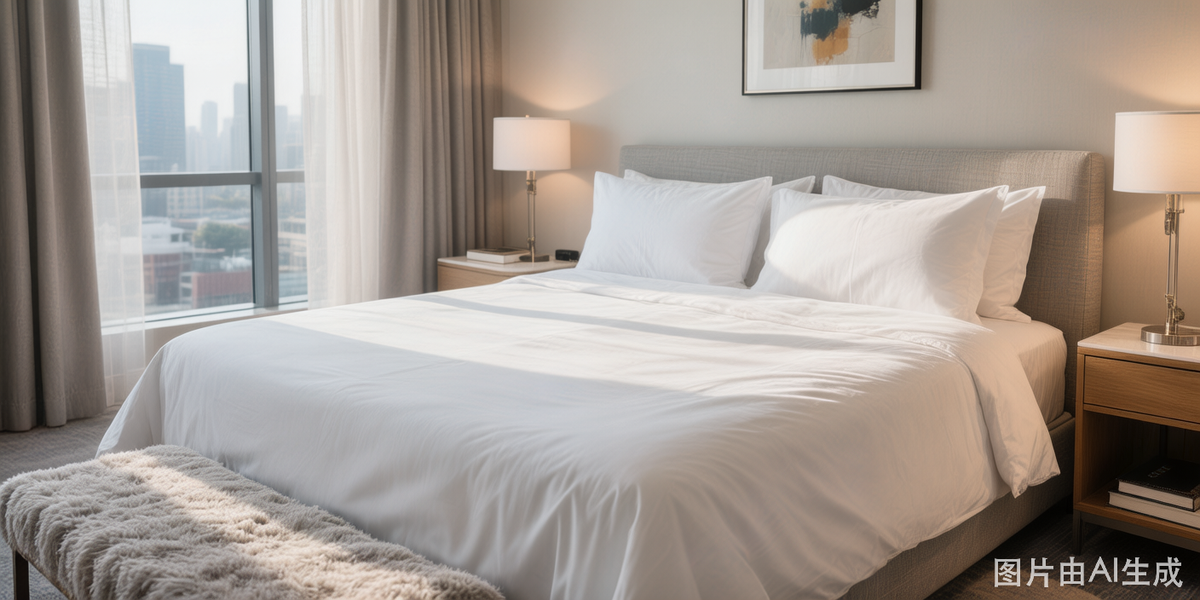
Recent undercover investigations have exposed major hotel chains across China failing to change bed sheets, pillowcases, and towels between guests. The "one guest, one change" policy—a basic hygiene standard—is routinely violated at properties ranging from budget to upscale brands. For procurement managers, this is not just a PR crisis; it is a supply chain and quality assurance issue that directly impacts brand reputation and guest safety.
The Real Cost of Cutting Corners
Hotels under intense price competition face shrinking margins. Linen washing costs, inventory reserves, and staff training are treated as "elastic expenses" that can be squeezed. When headquarters sets aggressive cost targets, on-site managers often quietly relax enforcement. The result: a "latent rule" emerges where cost-saving overrides hygiene protocol.
Outsourcing: Efficiency at the Expense of Oversight
Most hotels outsource laundry services to specialized vendors. While this reduces overhead, the "lowest bidder" selection process creates pressure to cut corners. Vendors may skip proper disinfection, mix hotel and medical laundry, or reuse chemical solutions beyond safe limits. The hotel's ability to monitor these subcontracted processes is often limited to occasional spot checks.
The Execution Gap: Headquarters vs. The Front Line
Need these specs quoted for your property?
Tell us your hotel tier, quantities and timeline — get a free, no-obligation quote within 24 hours.
Technology as a Trust Rebuilder
RFID chips sewn into linens can record every wash cycle and room assignment. Disinfection robots log each cleaning session and sync data to both management dashboards and guest-facing apps. "Air washing" technology uses high-temperature airflow to sanitize unused linens, reducing waste while maintaining hygiene confidence. These tools transform linen hygiene from a promise into a verifiable data point that guests can access via QR code.
What Procurement Managers Should Demand
When sourcing hotel linens, ask suppliers about their traceability systems. Do they support RFID tagging? Can they provide wash-cycle durability guarantees (minimum 200 industrial washes)? Are their factories certified to ISO 9001 and Oeko-Tex Standard 100? A supplier who understands these requirements is a partner in your brand protection strategy, not just a vendor.
This article was adapted from Chinese textile industry sources. For custom hotel linen inquiries, visit nantonglinens.com.
Shop Related Products
Free PDF: Complete Hotel Linen Buying Guide
Step-by-step procurement guide covering specs, MOQ, pricing, QC, and shipping — based on real Dieshiqiao experience.
Need help sourcing hotel linens?
Get a free quote within 24 hours. No commitment required.
Request a QuoteRelated Articles
Nantong Soft-Cloud Yarn: A Durability Breakthrough for Hotel Linens
Soft-cloud yarn technology from Nantong solves the softness-durability dilemma in hotel towels and bedding. What procurement managers should know.
September 2026 Textile Market: Peak Season Stalls, Raw Materials Diverge
China's 132nd cotton textile survey shows September peak season underperforming; cotton falls while polyester and viscose surge, creating cost divergence.
September 2026 Hotel Linen: Fabric Market Divergence and Peak Season
August 2026 fabric prices show upstream-downstream divergence as September peak season and ASEAN supply chain shifts reshape hotel linen sourcing.