Hotel Linen Procurement: 7 Costly Mistakes and How to Avoid Them
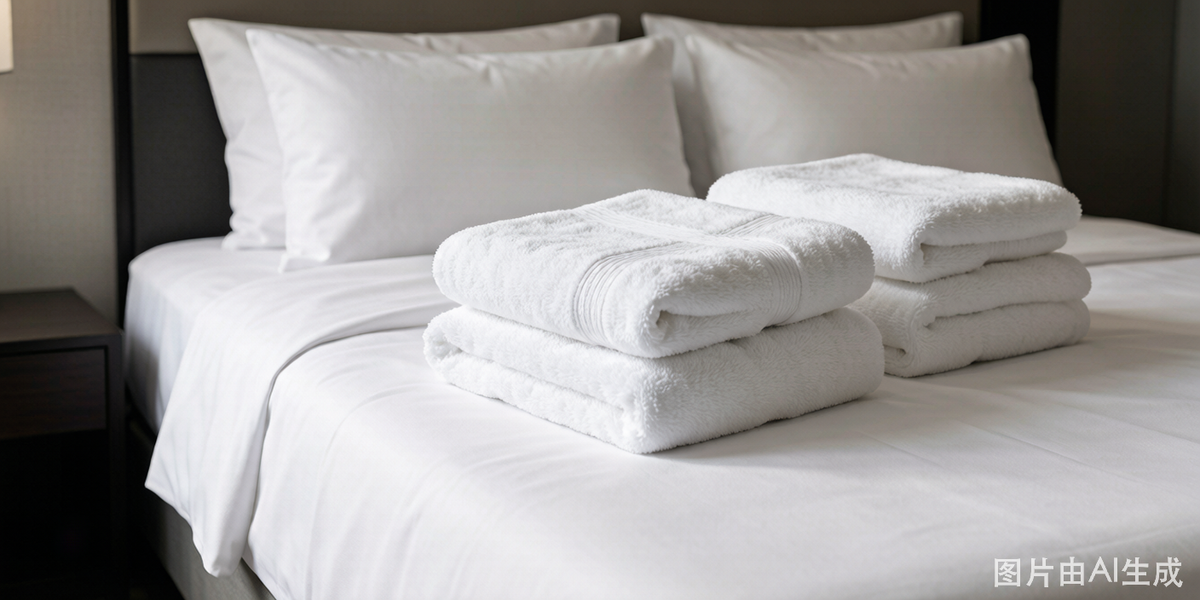
Over 60% of negative reviews on OTA platforms directly cite room supply quality—thin towels, stiff sheets, frayed edges. Yet many hotel procurement managers still treat linen purchasing as a simple cost-cutting exercise. The result: cheaper products that wear out faster, trigger guest complaints, and ultimately cost more over their lifecycle. This guide identifies the seven most common and costly procurement mistakes and provides actionable solutions rooted in real industry data.
Mistake 1: Prioritizing Unit Price Over Lifecycle Cost
A standard set of budget bed linens may last three months before pilling or tearing, while premium alternatives routinely exceed two years. When you factor in replacement costs, laundry energy consumption, and the hidden cost of negative guest reviews, the cheaper option often costs 30–40% more annually. Smart procurement teams calculate total cost of ownership (TCO): purchase price divided by usable wash cycles, not just the invoice amount. A 60S/300TC sheet set at twice the unit price that lasts five times longer is the obvious financial winner.
Mistake 2: Chasing Higher Thread Count Without Understanding Density
Many buyers assume higher thread count automatically means better quality. In reality, a 60S/300TC fabric hits the sweet spot for hotel bed linens—offering a smooth hand feel, solid durability, and adequate breathability. Pushing to 80S or 100S without matching density actually reduces air permeability and accelerates wear. Thread count is only meaningful when paired with yarn count and fabric density; a high count with thin yarn produces loose, fragile cloth that pills quickly under industrial laundering. The right specification depends on your property tier, not the highest number on a spec sheet.
Mistake 3: Under-Specifying Towel GSM
GSM (grams per square meter) is the single most important metric for towel quality. One mid-range hotel chain upgraded face towels from 450 GSM to 600 GSM—a 15% increase in purchase cost—but saw a 90% drop in negative OTA reviews about stiff, non-absorbent towels within three months. For hotel procurement, bath towels should target 500–650 GSM, hand towels 350–450 GSM, and washcloths 300–400 GSM. Anything below these ranges signals a product that will thin out after a dozen wash cycles, forcing premature replacement.
Mistake 4: Skipping Pre-Order Quality Testing
Never commit to a bulk order without physical sample testing. Two simple in-house tests can prevent costly returns: the tape-pull test (press adhesive tape firmly onto the fabric surface—excessive fiber transfer indicates poor pilling resistance) and the tear test (pull along warp and weft directions—fragile fabric will split instantly). Additionally, wash sample linens five times under standard laundry conditions and measure shrinkage. Industry standards allow 3–5% shrinkage; anything beyond that disqualifies the supplier. For non-textile items like amenities, have staff test them directly and collect honest feedback before placing volume orders.
Need these specs quoted for your property?
Tell us your hotel tier, quantities and timeline — get a free, no-obligation quote within 24 hours.
Wholesale markets offer low minimums and fast availability, but quality is inconsistent and after-sales support is virtually nonexistent. Direct factory or authorized agent channels cost more upfront but deliver consistent quality, replace defective batches, and help optimize inventory turnover. One boutique hotel saved 20% per unit at a wholesale market—only to replace the entire towel inventory within three months due to fiber shedding, ending up 35% over budget including guest complaint losses. Source from factories that provide washing recommendations, inventory planning assistance, and clear return policies.
Mistake 6: Lacking a Quantified Supplier Evaluation System
Relying on brand reputation alone is insufficient. Build a scorecard covering at least four dimensions: sample pass rate (does the bulk match the approved sample?), on-time delivery rate, after-sales response speed, and payment term flexibility. Weight each dimension according to your operational priorities. A supplier scoring 90+ across all dimensions may cost 10% more per unit but will save significantly in emergency reorders, quality disputes, and operational disruptions. Document everything—the data becomes leverage during contract renewals and protects against vendor complacency.
Mistake 7: No Three-Stage Quality Verification Process
Quality control does not end at the loading dock. Implement a three-stage system: (1) Pre-order: request and test samples using the tape-pull and tear methods described above. (2) On-delivery: inspect no fewer than 5% of each shipment—check product labels against contract specifications including standard code, production date, and material composition; measure warp/weft density with a thread counter; test liquid amenities with pH strips (neutral to mildly acidic is ideal). (3) In-use: maintain a defect log by supplier and batch. If one supplier’s reject rate consistently exceeds others, trigger an accountability protocol requiring replacement or compensation. This data-driven approach transforms vague dissatisfaction into actionable vendor management.
The Bottom Line
Hotel room supplies account for 12–18% of total operating costs, according to the China Tourist Hotels Association. Yet quality procurement can command an 8–10% room rate premium. When procurement decisions align with guest experience, purchasing transforms from a cost center into a revenue driver. Think like an experience designer, not just a buyer: every towel, every sheet, every stitch shapes the guest’s perception—and the bottom line.
This article was adapted from Chinese textile industry sources. For custom hotel linen inquiries, visit nantonglinens.com.
Shop Related Products
Free PDF: Complete Hotel Linen Buying Guide
Step-by-step procurement guide covering specs, MOQ, pricing, QC, and shipping — based on real Dieshiqiao experience.
Need help sourcing hotel linens?
Get a free quote within 24 hours. No commitment required.
Request a QuoteRelated Articles
Nantong Soft-Cloud Yarn: A Durability Breakthrough for Hotel Linens
Soft-cloud yarn technology from Nantong solves the softness-durability dilemma in hotel towels and bedding. What procurement managers should know.
September 2026 Textile Market: Peak Season Stalls, Raw Materials Diverge
China's 132nd cotton textile survey shows September peak season underperforming; cotton falls while polyester and viscose surge, creating cost divergence.
September 2026 Hotel Linen: Fabric Market Divergence and Peak Season
August 2026 fabric prices show upstream-downstream divergence as September peak season and ASEAN supply chain shifts reshape hotel linen sourcing.