Hotel Linen Supply Chain Evolution: From Standardized Supply to Sleep Experience Innovation
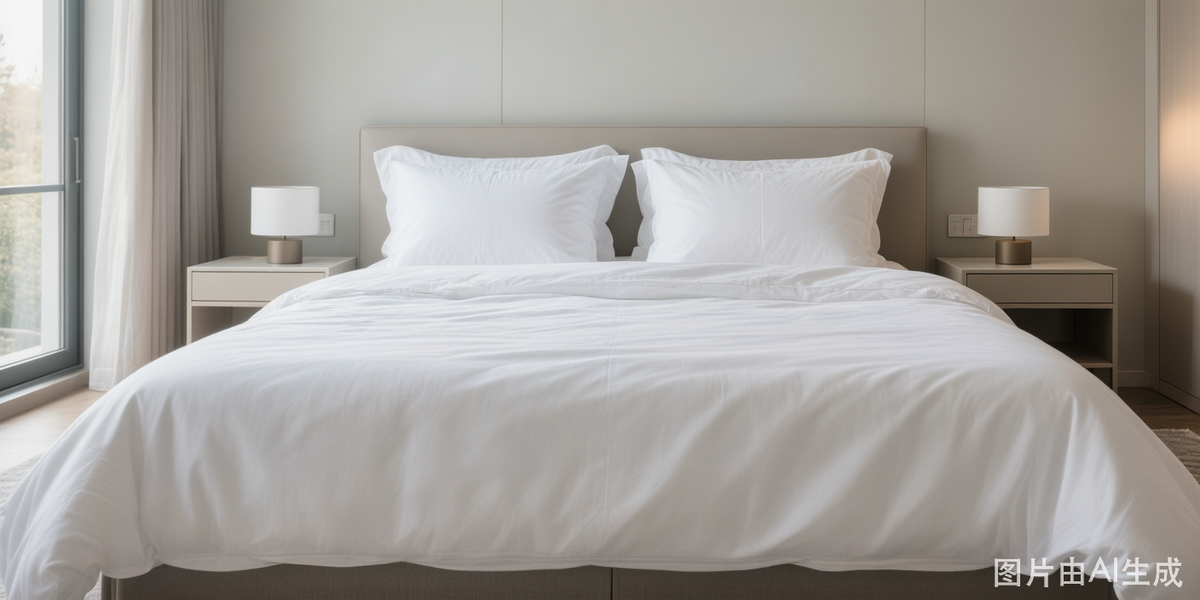
The Chinese hotel industry is undergoing a period of deep consolidation characterized by group expansion and chain standardization. As major hotel groups expand at a pace of hundreds of new properties annually, their supply chain systems face unprecedented pressure. Hotel linen—as a direct touchpoint of guest experience—has become a critical factor in service quality. Industry data shows that during rapid expansion, chain hotels commonly face three major pain points: accelerated linen wear from high-frequency washing, inconsistent quality across bulk procurement batches, and the tension between standardized supply and personalized requirements. These challenges not only increase operating costs but also directly impact guest sleep quality and overall satisfaction.
The Industry Shift Toward Sleep-Centric Sourcing
Procurement managers are rethinking how linen specifications affect guest retention. Sleep quality has become a measurable differentiator in guest reviews, influencing repeat booking rates more than ever before. Hotels are moving away from purely cost-driven procurement toward value-based sourcing that considers the full lifecycle cost of linen inventory.
This shift requires suppliers who understand not just weaving specifications, but also the operational reality of commercial laundries and the sensory expectations of international travelers. The most successful procurement strategies now treat linen as a guest experience investment rather than a disposable commodity.
Scaling Production While Maintaining Consistency
Serving thousands of hotel properties requires more than factory capacity—it demands a quality system that guarantees batch-to-batch consistency across years of supply. Leading manufacturers have adopted集约化 production models, consolidating weaving, sewing, and quality inspection under one roof to eliminate variability from subcontracted processes.
For procurement teams, the key evaluation criterion is no longer price per piece, but coefficient of variation across delivery batches. A reliable supplier should provide quality certification with measurable specifications: thread count tolerance, tensile strength retention after 50+ washes, and color fastness ratings under commercial laundering conditions.
The Durability-Comfort Balance in Commercial Linen
Traditional hotel linen faced a binary choice: durable but rough, or comfortable but short-lived. Modern weaving technology has changed this equation. By using long-staple cotton blends with optimized weave density, suppliers can now deliver linen that maintains skin-friendly softness through 300+ industrial wash cycles.
Procurement managers should request wash-test reports that simulate real laundry conditions—high-temperature washing, chemical exposure, and mechanical stress—rather than relying on initial touch feel alone. Third-party wash test certification has become a standard requirement in professional RFQs across Europe and North America.
From Product Supply to Sleep Environment Consulting
The industry is evolving from 'supplying linen' to 'enhancing the sleep environment.' This requires suppliers to understand guest sleep patterns during business travel and design products that address specific pain points: temperature regulation, moisture management, and tactile comfort after long-haul flights.
Forward-thinking suppliers now offer material consultation as part of their procurement service, recommending specific fabric weights, thread counts, and finishing processes based on the hotel's star rating, climate zone, and guest demographic profile. This consultative approach reduces trial-and-error costs for procurement teams.
Need these specs quoted for your property?
Tell us your hotel tier, quantities and timeline — get a free, no-obligation quote within 24 hours.
The next phase of supplier competition is shifting from unit price and delivery speed to full-lifecycle value. This includes designing linen for extended wash life, providing wear prediction models, and recommending optimal replacement cycles based on actual usage data rather than generic schedules.
Suppliers with service experience across 10,000+ hotel rooms can offer data-driven insights: which fabric constructions fail first in high-turnoverProperties, how pillowcase reinforcement at stress points affects replacement frequency, and when partial refreshes deliver better ROI than full inventory replacement.
Quality Certification and Industry Standards
As hotel groups raise their supplier requirements, the industry is developing a de facto accreditation system based on quality awards and third-party certifications. These credentials serve as隐性准入标准, helping procurement teams filter suppliers who can demonstrate verified delivery performance and quality consistency.
International buyers should look for suppliers with ISO 9001 quality management certification, OEKO-TEX Standard 100 certification for chemical safety, and documented wash-test results from independent laboratories. These certifications are increasingly requested in RFPs from North American and European hotel groups.
Material Innovation and Sustainability Requirements
New-generation hotel linen must balance comfort and durability with environmental performance. Reducing water and energy consumption in laundering—while maintaining hygienic standards through 300+ wash cycles—requires fiber blends and finishing processes specifically engineered for commercial use.
Procurement specifications increasingly include sustainability criteria: reduced chemical auxiliaries in finishing, lower microplastic shedding, and supplier environmental management certification. Hotels with ESG commitments are beginning to include linen sustainability metrics in their vendor scorecards.
Building a Resilient Linen Supply Chain
For hotel groups, the recommendation is clear: establish a tiered supplier evaluation system that includes service capability, R&D investment, and quality stability—not just price comparison. Building long-term strategic partnerships with suppliers who have demonstrated large-scale service capacity creates resilience against supply shocks and quality drift.
For linen suppliers, the path forward requires investment in production facilities, full-process quality control systems, and material R&D capabilities. Those who can transform engineering practice into industry reference methods will lead the next phase of market consolidation.
This article was adapted from Chinese textile industry sources. For custom hotel linen inquiries, visit nantonglinens.com.
Shop Related Products
Free PDF: Complete Hotel Linen Buying Guide
Step-by-step procurement guide covering specs, MOQ, pricing, QC, and shipping — based on real Dieshiqiao experience.
Need help sourcing hotel linens?
Get a free quote within 24 hours. No commitment required.
Request a QuoteRelated Articles
Nantong Soft-Cloud Yarn: A Durability Breakthrough for Hotel Linens
Soft-cloud yarn technology from Nantong solves the softness-durability dilemma in hotel towels and bedding. What procurement managers should know.
September 2026 Textile Market: Peak Season Stalls, Raw Materials Diverge
China's 132nd cotton textile survey shows September peak season underperforming; cotton falls while polyester and viscose surge, creating cost divergence.
September 2026 Hotel Linen: Fabric Market Divergence and Peak Season
August 2026 fabric prices show upstream-downstream divergence as September peak season and ASEAN supply chain shifts reshape hotel linen sourcing.