Xinjiang Hotel Textile Project Opens: 12.5 Million Meters of Fabric Capacity
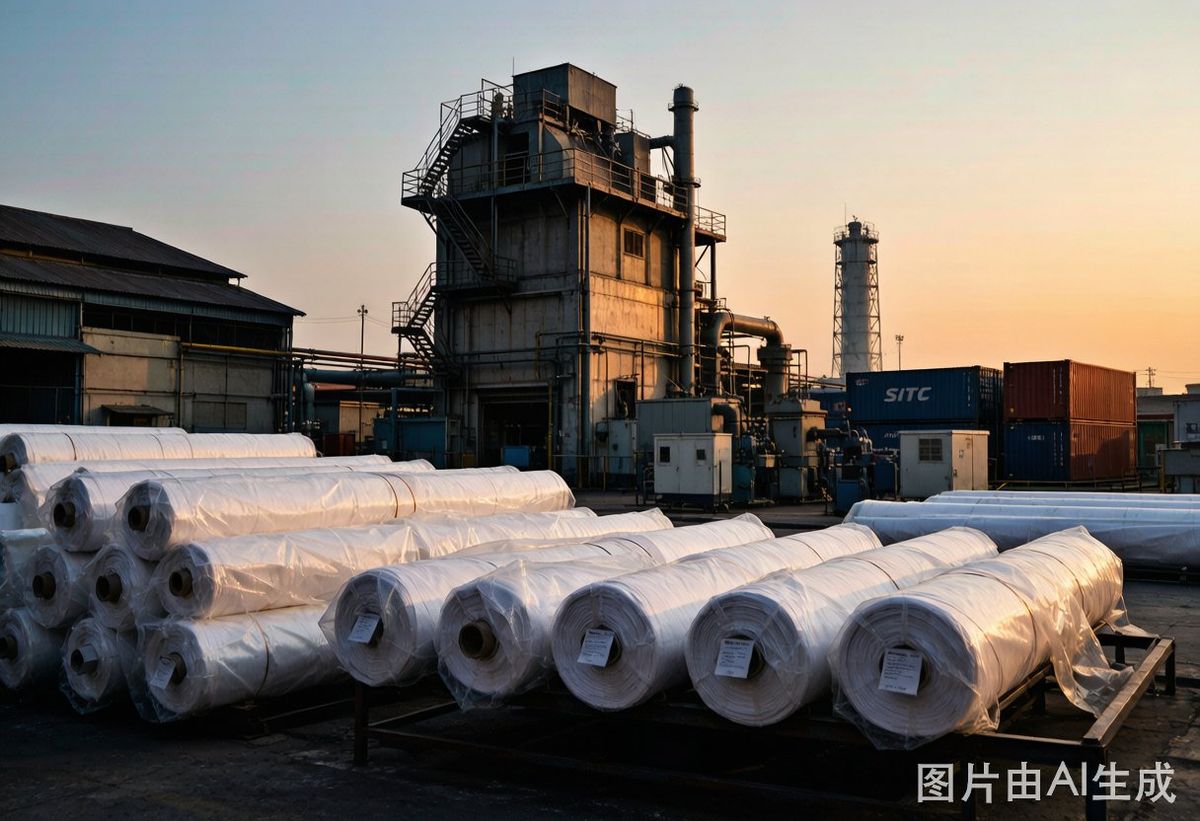
New Manufacturing Capacity in Korla
A significant new textile manufacturing project has officially commenced production in Korla Economic and Technological Development Zone, Xinjiang. The Xinjiang Jiepeng Textile Technology project represents a major investment in the region's growing textile manufacturing capabilities.
Project Details
Timeline
Construction began: October 2025
Formal production start: July 11, 2026
Total construction time: 9 months (remarkably fast)
Production Capacity
12.5 million meters of home textile fabric per year
800,000 sets of high-end hotel linens per year
Complete production system from weaving to finished products
Equipment
Advanced large jacquard looms
Air-jet looms
One standardized four-piece set production line
High level of automation and intelligent manufacturing
Strategic Significance
This project is important for several reasons:
1. Cotton Origin Advantage
Xinjiang produces over 80 percent of China's cotton. Manufacturing at the source eliminates intermediate transportation costs for raw cotton, potentially reducing overall production costs by 5-8 percent compared to coastal manufacturers.
2. Supply Chain Diversification
For international buyers concerned about concentration risk in eastern China (Nantong, Huzhou), Xinjiang offers geographic diversification. This is particularly relevant for buyers looking to hedge against potential shipping disruptions or regional economic disruptions.
3. Government Support
The project received comprehensive government support throughout construction, including:
Dedicated enterprise service teams
Expedited approval and filing procedures
Coordinated employee housing solutions
Utility infrastructure guarantees (water, electricity, steam)
This level of government backing signals that Xinjiang is positioning itself as a strategic textile manufacturing hub, not just a cotton-producing region.
4. High-End Positioning
The project specifically targets high-end home textiles and hotel linen markets. This means the products will meet the quality standards required by international hotel buyers, not just domestic budget segments.
Implications for Hotel Linen Buyers
Potential cost advantages
Proximity to cotton source reduces raw material logistics costs
Need these specs quoted for your property?
Tell us your hotel tier, quantities and timeline — get a free, no-obligation quote within 24 hours.
New equipment means modern production capabilities
Scale (12.5M meters) enables competitive per-unit costs
Considerations for international buyers
Xinjiang is further from export ports (Shanghai, Ningbo) than Nantong, adding domestic logistics cost
Political and compliance considerations for some markets (US, EU) regarding Xinjiang-sourced cotton
Newer facility means less track record compared to established Nantong manufacturers
Quality consistency needs to be verified through sampling and trial orders
How to evaluate Xinjiang suppliers
1. Request full cotton traceability documentation
2. Verify compliance with your target market's import regulations
3. Conduct factory audit focusing on equipment, QC processes, and labor standards
4. Start with a small trial order before committing to volume
5. Compare total landed cost (including inland transport to port) vs. Nantong suppliers
Regional Textile Industry Growth
The Xinjiang project reflects a broader trend of textile manufacturing capacity moving closer to cotton production centers. This trend is driven by:
Rising logistics costs for raw cotton transport
Government policies supporting western China development
The need to reduce supply chain costs in a tight margin environment
Access to locally grown long-staple cotton varieties
Comparison: Xinjiang vs. Nantong Manufacturing
Nantong (Dieshiqiao) advantages
Complete industry ecosystem with 6,000+ factories
Proximity to Shanghai and Ningbo ports
Decades of export experience
Established quality control systems
Immediate access to supporting industries (dyeing, printing, accessories)
Xinjiang advantages
Direct access to cotton source (lower raw material cost)
Government incentives and support
Newer, more modern equipment
Potential for long-staple cotton varieties
Less competition for factory capacity during peak seasons
Conclusion
The launch of the Xinjiang Jiepeng textile project adds meaningful new capacity to China's hotel linen manufacturing landscape. While Nantong remains the center of the industry for international buyers, Xinjiang is emerging as an alternative for buyers who can navigate the compliance landscape and want to leverage cotton origin advantages. For most international buyers, the smart approach is to maintain Nantong as the primary sourcing base while monitoring Xinjiang as a potential secondary source.
Shop Related Products
Free PDF: Complete Hotel Linen Buying Guide
Step-by-step procurement guide covering specs, MOQ, pricing, QC, and shipping — based on real Dieshiqiao experience.
Need help sourcing hotel linens?
Get a free quote within 24 hours. No commitment required.
Request a QuoteRelated Articles
Nantong Soft-Cloud Yarn: A Durability Breakthrough for Hotel Linens
Soft-cloud yarn technology from Nantong solves the softness-durability dilemma in hotel towels and bedding. What procurement managers should know.
September 2026 Textile Market: Peak Season Stalls, Raw Materials Diverge
China's 132nd cotton textile survey shows September peak season underperforming; cotton falls while polyester and viscose surge, creating cost divergence.
September 2026 Hotel Linen: Fabric Market Divergence and Peak Season
August 2026 fabric prices show upstream-downstream divergence as September peak season and ASEAN supply chain shifts reshape hotel linen sourcing.