Hotel Duvet Cover & Pillowcase QC: Stitching, Zippers, and Labeling
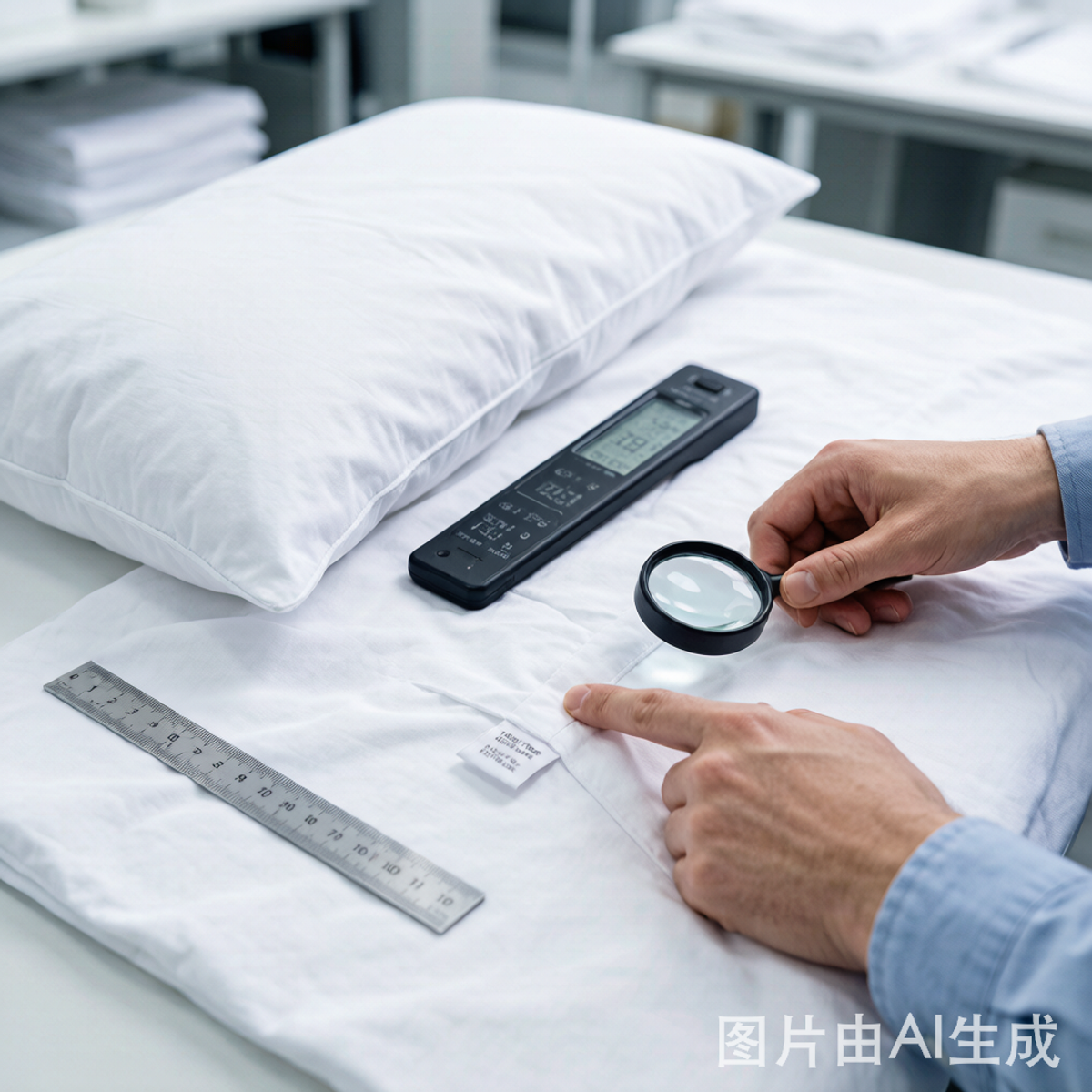
Duvet covers and pillowcases are deceptively complex textile products. Unlike flat sheets “ essentially fabric rectangles with hems “ duvet covers involve closures (zippers, buttons, or envelope flaps), internal corner ties, and larger seam lengths that multiply failure points. A duvet cover that opens during guest use or a pillowcase that shrinks to expose the pillow insert creates an immediate negative impression. This QC checklist covers the unique inspection points for these high-touch items.
1. Closure System Inspection
The closure is the most critical QC point on duvet covers. Zipper closures: verify zipper type per specification (YKK #3 or #5 coil zipper is the hotel standard, #5 for heavy linen). Test zipper function: open and close 20 times at inspection speed, checking for catching, resistance, or misalignment. Zipper tape must be securely stitched with double-needle construction. Zipper length must match specification (typically 150-180 cm for duvet covers). Button closures: buttons must be cross-stitched (not parallel-stitched), minimum 4-hole buttons, buttonholes must be lock-stitched at both ends. Envelope/pocket closures (pillowcases): overlap must be minimum 15 cm for standard pillowcases, 20 cm for king.
2. Internal Corner Ties and Anchor Points
Duvet cover corner ties prevent the duvet insert from shifting and bunching. Inspect tie placement: 4 corners minimum, with some specifications adding center-edge ties (8 total). Tie length: minimum 20 cm, fabric ties preferred over ribbon. Attachment: ties must be bar-tacked to the seam allowance, not surface-stitched. Strength test: pull each tie with 5 kg force for 10 seconds. Verify tie positions match insert dimensions.
3. Seam Construction and Strength
Duvet covers and pillowcases have more seam meters per unit than sheets. Seam type: French seams (enclosed seams with no exposed raw edges) are the hotel standard for premium cotton duvet covers. For cost-optimized T/C products, 4-thread overlock or 5-thread safety stitch is acceptable. Seam strength: ASTM D1683, minimum 25 lbf “ seam must not open before fabric tears. Seam slippage: ASTM D434, maximum 1 mm opening under specified load. Internal seam allowances must be minimum 1 cm.
Need these specs quoted for your property?
Tell us your hotel tier, quantities and timeline — get a free, no-obligation quote within 24 hours.
4. Dimensional Accuracy and Fit
Duvet covers are oversized relative to insert dimensions. Standard allowance: insert dimensions + 5 cm in width, + 5 cm in length (e.g., 220”240 cm insert “ 225”245 cm cover). Too little allowance makes insertion difficult for housekeeping; too much creates sloppy appearance. Pillowcases: verify dimensions per specification, with particular attention to the closure depth. Measure on flat inspection table with calibrated tape, all dimensions “2% tolerance.
5. Labeling and Compliance
Care labels are mandatory and legally regulated. Check: fiber content (e.g., “100% Cotton” for all-cotton products), care instructions (wash temperature, bleach restrictions, drying instructions, ironing temperature), country of origin (required for US Customs, EU import), RN number or manufacturer identification (US market), and size designation in both metric and imperial. Label attachment: labels must be sewn on all 4 sides. Label material must withstand 75”C wash temperature.
6. Fabric Quality Specific to Duvet Covers
Duvet covers require fabric that drapes well “ overly stiff fabric creates an uninviting bed appearance and makes insertion difficult. Check fabric drape coefficient (ISO 9073-9 or visual assessment). Fabric must be opaque enough to prevent duvet insert pattern or color from showing through. If the duvet cover specification includes a top decorative panel with different fabric, verify panel alignment at seams and check for shade differences.
Duvet cover and pillowcase QC demands attention to details that are easy to overlook. Our Nantong inspection team opens every duvet cover fully, tests every zipper 20 times, and measures every closure dimension against the purchase order specification.
Shop Related Products
Free PDF: Complete Hotel Linen Buying Guide
Step-by-step procurement guide covering specs, MOQ, pricing, QC, and shipping — based on real Dieshiqiao experience.
Need help sourcing hotel linens?
Get a free quote within 24 hours. No commitment required.
Request a QuoteRelated Articles
Hotel Linen Color Consistency QC: Dye Lot Management & Inspection Standards
Dye lot variation is one of the most common hotel linen quality complaints. Learn lab dip approval, Delta E measurement, light box testing, AQL sampling, and color QC protocols.
Hotel Bathrobe Quality Inspection: Terry, Velour & Waffle Weave Standards
QC checklist for hotel bathrobes: fabric weight comparison (terry vs velour vs waffle), belt and pocket construction, embroidery quality, and sizing verification.
Hotel Bed Sheet Quality Inspection Checklist: From Fabric to Packaging
Complete QC checklist for hotel bed sheets: fabric weight, stitch quality, shrinkage, color fastness, and packaging standards. Ensure every shipment meets spec.