Hotel Linen Durability Testing: Wash Cycles, Tensile Strength & Pilling Explained
Why Durability Testing Matters for Procurement
Hotel linen faces more aggressive laundering than any other textile category. A single hotel bed sheet may be washed 150-200 times over its lifespan — at high temperatures, with industrial detergents, under mechanical stress. The difference between linen that lasts 200 cycles and linen that fails at 80 cycles is entirely in the durability specifications that buyers request and verify.
Most international buyers rely on supplier claims about durability. This is a mistake. Five standardized tests provide objective, comparable data on how linen will perform in hotel conditions. Understanding these tests allows you to write tighter specifications and hold suppliers accountable when delivered quality doesn't match contracted standards.
Test 1: Martindale Abrasion Resistance
What it measures: How many rubbing cycles the fabric withstands before showing visible wear. The Martindale test uses a standardized abrasive surface that rubs against fabric samples in a Lissajous pattern. Results are reported as the number of cycles before thread breakage or unacceptable pilling.
Hotel relevance: This is the single most predictive test for how sheets will hold up under repeated use and laundering. The mechanical friction of guests turning in bed, combined with laundry agitation, is what ultimately wears fabric thin. For hotel bed sheets, target: 20,000+ Martindale cycles for midscale, 30,000+ for upscale, 40,000+ for luxury.
Test 2: Tensile Strength (ASTM D5034 / ISO 13934-1)
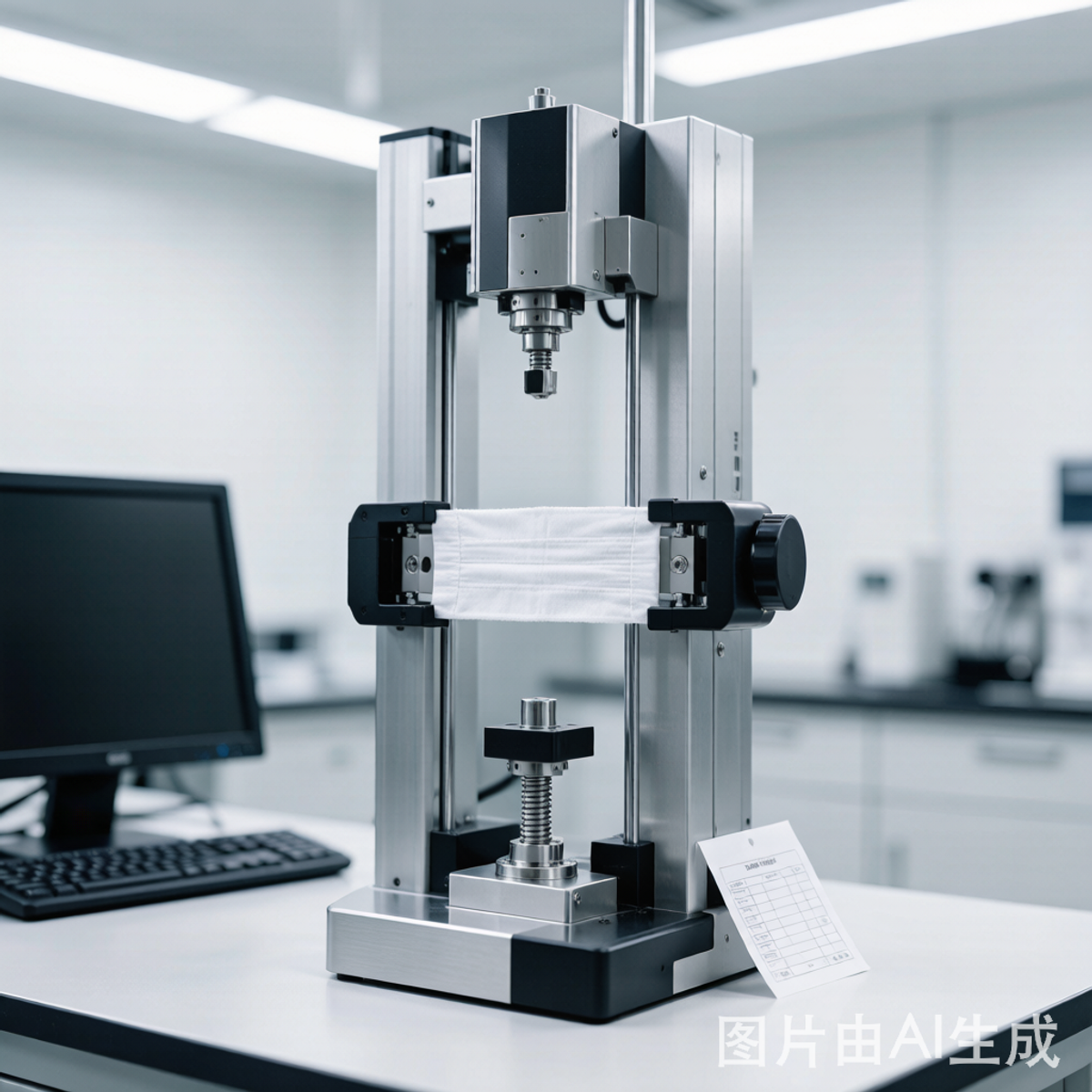
What it measures: The force required to break a fabric strip, measured in Newtons (N). Tested in both warp (lengthwise) and weft (widthwise) directions. Higher values indicate stronger fabric less likely to tear during use or laundry handling.
Hotel relevance: Weak tensile strength is why budget sheets tear at the corners after 50 washes. For hotel cotton sheeting, target minimum 400N warp / 300N weft. For T/C blends, minimum 500N warp / 400N weft. Towels should measure 350N+ in both directions due to the mechanical stress of tumble drying.
Test 3: Wash Cycle Durability (AATCC 135 / ISO 6330)
Need these specs quoted for your property?
Tell us your hotel tier, quantities and timeline — get a free, no-obligation quote within 24 hours.
What it measures: Dimensional stability, color retention, and fabric integrity after a specified number of standardized wash-and-dry cycles. Results include shrinkage percentage, color change rating (1-5 scale), and visual assessment of surface wear.
Hotel relevance: This simulates real hotel laundry conditions. Request test results at 50 cycles and 100 cycles. Acceptable shrinkage: under 3% for cotton sheets, under 1% for T/C blends. Color change: minimum grade 4 (out of 5) at 50 cycles for dyed linen. Suppliers should be able to provide this data from third-party labs (SGS, Intertek, Bureau Veritas).
Test 4: Pilling Resistance (ASTM D4970 / ISO 12945-2)
What it measures: The fabric's tendency to form small fiber balls (pills) on the surface after controlled abrasion. Rated on a 1-5 scale, where 5 is no pilling and 1 is severe pilling.
Hotel relevance: Pilling is one of the most visible quality failures guests notice. It makes fabric feel rough and look worn. For hotel bed sheets, target: grade 4 minimum at 1,000 rubs. For towels: grade 3-4 minimum (towels naturally pill more due to terry loop structure). Short-staple cotton is the primary cause of pilling; specifying combed cotton with minimum 28mm fiber length significantly reduces pilling risk.
Test 5: Color Fastness (AATCC 61 / ISO 105-C06)
What it measures: Resistance to color bleeding or fading during washing (wet fastness), exposure to light (light fastness), and rubbing (crocking). Each rated 1-5.
Hotel relevance: Colored hotel linen — towel borders, duvet cover stripes, embroidered logos — must maintain color integrity through industrial laundering. Wet fastness: grade 4 minimum. Light fastness: grade 4 minimum. Crocking (dry/wet rub): grade 4/3 minimum. Request these test results specifically for any non-white linen in your order.
How to Work These Tests into Your Supplier Agreement
Three steps: (1) Specify minimum test values in your purchase order or contract. (2) Require third-party test reports from an accredited lab (not in-house supplier testing). (3) Include a clause allowing independent testing of shipment samples — if results fall below spec, supplier covers re-testing cost and replacement. Most quality-focused Chinese manufacturers welcome this structure because it differentiates them from price-only competitors.
Shop Related Products
Free PDF: Complete Hotel Linen Buying Guide
Step-by-step procurement guide covering specs, MOQ, pricing, QC, and shipping — based on real Dieshiqiao experience.
Need help sourcing hotel linens?
Get a free quote within 24 hours. No commitment required.
Request a QuoteRelated Articles
Reactive vs Pigment Dyeing for Hotel Linen: Fastness and Cost
Both look identical in a sample. The dye class decides whether colored hotel linen survives chlorine and 60 C laundering, and who pays when it does not.
Ring-Spun vs Combed vs Carded Cotton for Hotel Bedding
Carded, ring-spun and combed cotton sit on three price steps. Here is what each step buys in a hotel sheet, and when the upgrade is wasted.
China's New Green Textile Standard: What Hotel Linen Buyers Must Know
China's GB/T 35611-2024 green textile standard took effect October 1. Here's what the new low-carbon and chemical limits mean for hotel linen buyers.