Hotel Linen Laundering in China: New Hygiene Pledge and Cost Framework
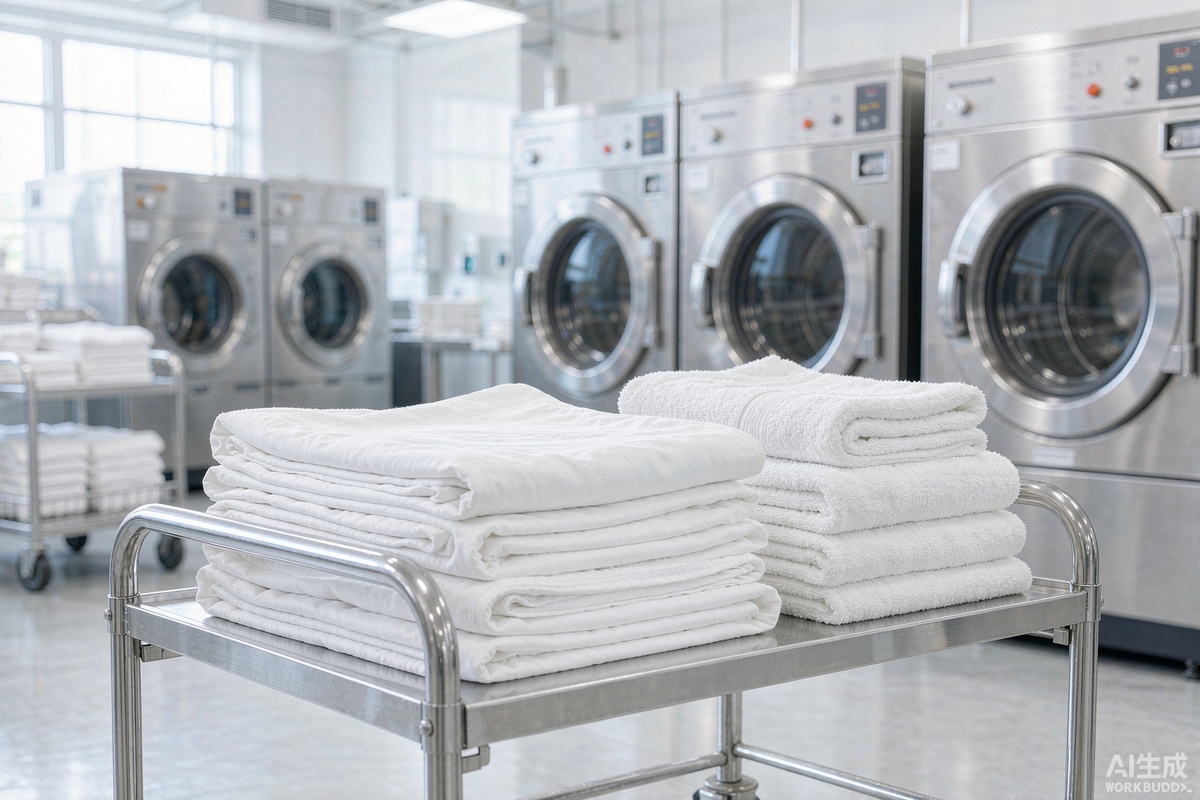
Hotel linen laundering sits at the intersection of guest experience, public health and brand reputation, yet it has long been one of the least transparent links in the hospitality supply chain. On September 21, 2026, industry associations from across China jointly released the Joint Initiative on Hotel Linen Reuse Hygiene, together with the Shanghai Reasonable Laundering Cost Model. Announced in Shanghai, the two documents tackle the problem from complementary angles: one sets a shared baseline for hygiene management, while the other gives hotels and laundry operators a structured way to talk about cost. For hotel procurement managers, especially those sourcing linens for properties in China, both deserve close attention.
Why Hygiene Governance Is Escalating Now
The launch reflects a wider shift in China's hotel sector. Properties are demanding higher standards of linen hygiene, wash quality, delivery reliability and service stability, while the market itself faces intensifying price competition and rising regulatory expectations. The organizers framed the core question bluntly: how can hotels and laundry companies keep guest safety uncompromised while making service standards, quality requirements, cost inputs and responsibilities explicit to both sides? That framing matters, because most disputes between hotels and laundries ultimately trace back to exactly these ambiguities.
What the Hygiene Pledge Covers
The initiative, presented by the head of the Hebei laundering association on behalf of the co-publishing bodies, is built around six commitments: operating in full legal compliance, dynamic evaluation of laundry capability, clearly defined standards and quality inspection, closer supply-demand coordination, matching price to service level, and front-loaded risk control. Representatives of industry associations from Hebei, Shandong, Liaoning, Chongqing, Henan, Zhejiang, Jiangsu, Anhui, Jiangxi, the Greater Bay Area and Sichuan co-signed the document, giving it unusually broad regional coverage for a voluntary pledge.
Shared Responsibility, Not One-Sided Blame
A consistent theme of the launch was that linen hygiene is not a task any single party can carry alone. Hotels are expected to define their requirements and acceptance criteria clearly, while laundering companies must hold the hygiene quality line through professional capability and disciplined processes. The two sides are also encouraged to coordinate in advance on practical scenarios: linen rotation schedules, stain treatment, peak-season capacity guarantees and the handling of abnormal results. The message to procurement teams is clear - supplier agreements should specify these scenarios in writing rather than leaving them to ad hoc negotiation when something goes wrong.
The Shanghai Laundering Cost Model Explained
Need these specs quoted for your property?
Tell us your hotel tier, quantities and timeline — get a free, no-obligation quote within 24 hours.
Cost Elements Every Buyer Should Understand
The model breaks laundering economics into key cost elements: labor, energy consumption for water, electricity and gas, detergent chemicals, equipment depreciation and maintenance, premises, logistics and delivery, quality inspection, management overhead, and environmental and safety compliance. On top of these, it factors in real-world variables such as linen category, service radius, pickup and delivery frequency, the quality standard applied, seasonal peaks and troughs, and emergency coverage requirements. Any hotel buyer who has struggled to compare two laundry quotations will recognize the value: a shared checklist turns a vague price comparison into a like-for-like analysis.
Implications for Hotel Linen Procurement
For procurement managers, the practical takeaway is to evaluate laundering partners on total cost of service, not headline price per kilogram. A cheap quote that omits quality inspection, contingency capacity or environmental compliance will usually surface its true cost later, in linen damage, hygiene incidents or peak-season failures. The initiative and the cost model together encourage buyers to align quality tiers with price, document acceptance criteria, and negotiate peak-season clauses before high season arrives rather than after.
What Overseas Buyers Can Take Away
Even buyers sourcing outside China can apply the same logic. Laundering cycles are the single biggest determinant of linen lifespan: fabrics engineered for industrial washing - with the right yarn count, density, shrinkage control and colorfastness - routinely outlast commodity alternatives by a wide margin. When evaluating linen suppliers, ask for wash-test data, shrinkage guarantees and colorfastness reports, and make sure the fabric specification matches your property's actual laundering regime. A supplier who can document quality at the fabric level is far easier to hold to account downstream.
The Bottom Line
China's hotel sector is moving from informal, price-driven laundering relationships toward documented standards and transparent cost structures. For linen buyers, this is good news: clearer standards upstream mean fewer disputes, more predictable linen performance and a fairer basis for comparing suppliers. Hotels that internalize these frameworks early - specifying hygiene criteria, using structured cost analysis and selecting fabrics built for industrial laundering - will be the ones best positioned to protect both guest experience and operating budgets.
Shop Related Products
Free PDF: Complete Hotel Linen Buying Guide
Step-by-step procurement guide covering specs, MOQ, pricing, QC, and shipping — based on real Dieshiqiao experience.
Need help sourcing hotel linens?
Get a free quote within 24 hours. No commitment required.
Request a QuoteRelated Articles
Nantong's Soft-Cloud Yarn: What Hotel Towel Buyers Should Know
Nantong's new soft-cloud yarn patent solves the hotel towel trade-off between softness and durability. What procurement managers should ask.
Hotel Linen Buyers: Two New China Textile Standards for 2026
Two new China textile standards - GB/T 29862-2026 fiber labels and GB/T 47782-2026 cooling tests - are reshaping hotel linen procurement compliance.
Hotel Linen Compliance 2026: New China Standards Guide
China's GB 18383-2025 and revised GB/T 22800 reshape hotel linen procurement in 2026. Non-compliant suppliers risk losing major chain contracts.