Hotel Linen Laundry Best Practices: How to Maximize Lifespan & Cut Replacement Costs
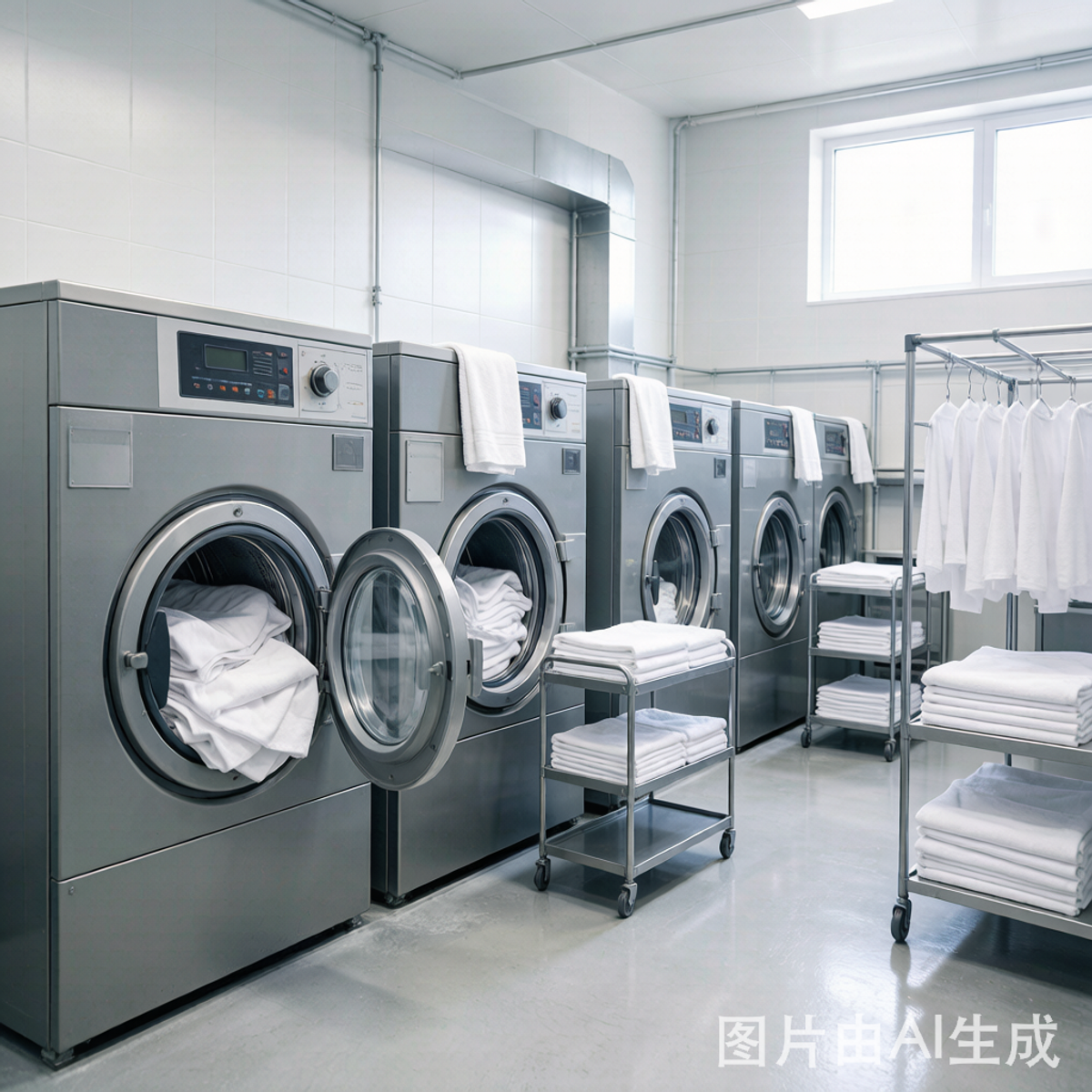
Why Laundry Protocol Is a Procurement Issue
When hotel procurement managers calculate the total cost of ownership (TCO) for linen, laundry damage is the single largest cost multiplier. A set of 400-thread-count sheets that should last 150 wash cycles might fail after 80 if laundering is aggressive. That's nearly double the replacement cost over the asset's lifetime.
The relationship between procurement and laundry is direct: every wash cycle that shortens fabric life increases the annual reorder budget. Hotels that optimize laundry protocols typically reduce linen replacement costs by 25-35% without changing the quality of linen they buy.
Sorting and Segregation: The Foundation
The number one laundry mistake in hotels is mixing terry (towels, bathrobes) with sheeting (bed sheets, pillowcases, duvet covers). These two fabric categories require fundamentally different wash parameters. Terry fabrics need more mechanical action to clean deep pile loops. Sheeting fabrics need gentler treatment to preserve weave integrity.
Sorting should follow three layers: (1) fabric type — terry vs. sheeting, (2) soil level — lightly used vs. heavily soiled, (3) color — white vs. colored. Lightly soiled white sheets can run on shorter, cooler cycles, saving both energy and fabric wear. Heavily soiled F&B linen needs separate handling entirely.
Chemical Control: Less Is Often More
The instinct to add extra detergent or bleach for cleaner results is one of the costliest habits in hotel laundry. Chlorine bleach, in particular, is the leading cause of premature linen failure. It weakens cotton fibers, causes yellowing over time, and accelerates pilling on blended fabrics.
Target parameters for optimal hotel linen washing:
pH level: 7.0-8.0 (slightly alkaline). Below 7.0, cleaning efficacy drops. Above 8.0, fiber degradation accelerates. Water hardness: below 100 ppm (parts per million). Hard water leaves mineral deposits that make fabric feel rough and reduce absorbency in towels. Bleach: oxygen-based (hydrogen peroxide) preferred over chlorine for all cotton and cotton-blend linens. Chlorine should be reserved for heavily stained items only.
Need these specs quoted for your property?
Tell us your hotel tier, quantities and timeline — get a free, no-obligation quote within 24 hours.
A common mistake is overlaying detergent to compensate for hard water. This leads to chemical residue buildup, which makes towels less absorbent and sheets feel stiff. If your water hardness is above 100 ppm, install a water softener. The capital cost of a softener typically pays back within 12 months through reduced chemical usage and longer linen lifespan.
Temperature and Cycle Optimization
For standard hotel bed linen, wash at 60°C (140°F) — this is sufficient for hygiene while minimizing thermal stress on fibers. For towels, 70-75°C provides better soil release without excessive fiber damage. Reserve 90°C+ cycles for heavily soiled kitchen linen or outbreak situations only.
Rinse cycles matter more than most operators realize. Three rinse cycles minimum ensures chemical residue is fully removed. Residual detergent left in fabric acts as an abrasive during drying and use, accelerating fiber wear. Test rinse water periodically — if it's still sudsy, add another rinse cycle or reduce initial detergent dosing.
Drying: The Overlooked Damage Point
Over-drying is the silent killer of hotel linen. When fabric is dried past its natural moisture equilibrium (about 6-8% moisture content), fibers become brittle and prone to tearing. The ideal endpoint for drying is slightly damp to the touch — the remaining moisture evaporates during folding and storage without stressing the fibers.
Tunnel finishers and ironers are gentler than tumble dryers for sheeting. If your property uses tumble dryers, set the moisture sensor to stop at 8-10% residual moisture rather than running on timed cycles. This alone can extend sheet lifespan by 15-20%.
The Downgrade System: Getting Full Value
Instead of discarding linen when it shows minor wear, implement a three-tier downgrade system: Grade A — new, guest-facing only. Grade B — after 6-12 months of guest use, reassigned to staff rooms, back-of-house, or training purposes (usable for up to 2 additional years). Grade C — end of life, converted to cleaning rags.
This system extracts maximum value from every piece of linen. Grade B assignment alone can reduce your annual cleaning rag purchase budget to near zero while giving staff rooms acceptable-quality linen at no additional procurement cost.
Shop Related Products
Free PDF: Complete Hotel Linen Buying Guide
Step-by-step procurement guide covering specs, MOQ, pricing, QC, and shipping — based on real Dieshiqiao experience.
Need help sourcing hotel linens?
Get a free quote within 24 hours. No commitment required.
Request a QuoteRelated Articles
Hotel Linen Budget Planning: A Cost Per Occupied Room (CPOR) Framework for 2026
Learn how to calculate linen cost per occupied room (CPOR), set budgets by property tier, plan replacement cycles, and optimize laundry spend — with a practical framework for 2026.
Hotel Linen PAR Levels: The Complete Inventory Planning Guide for 2026
Master hotel linen PAR levels. Learn why 3-PAR works for midscale properties, when 4-PAR is worth the investment, and how PAR planning cuts emergency procurement costs by 40%.
Hotel Linen Care: How to Maximize the Lifespan of Your Bed Sheets and Towels
Laundry and storage tips to double the service life of hotel linens. Save thousands in replacement costs per property per year.