Hotel Linen PAR Levels: The Complete Inventory Planning Guide for 2026
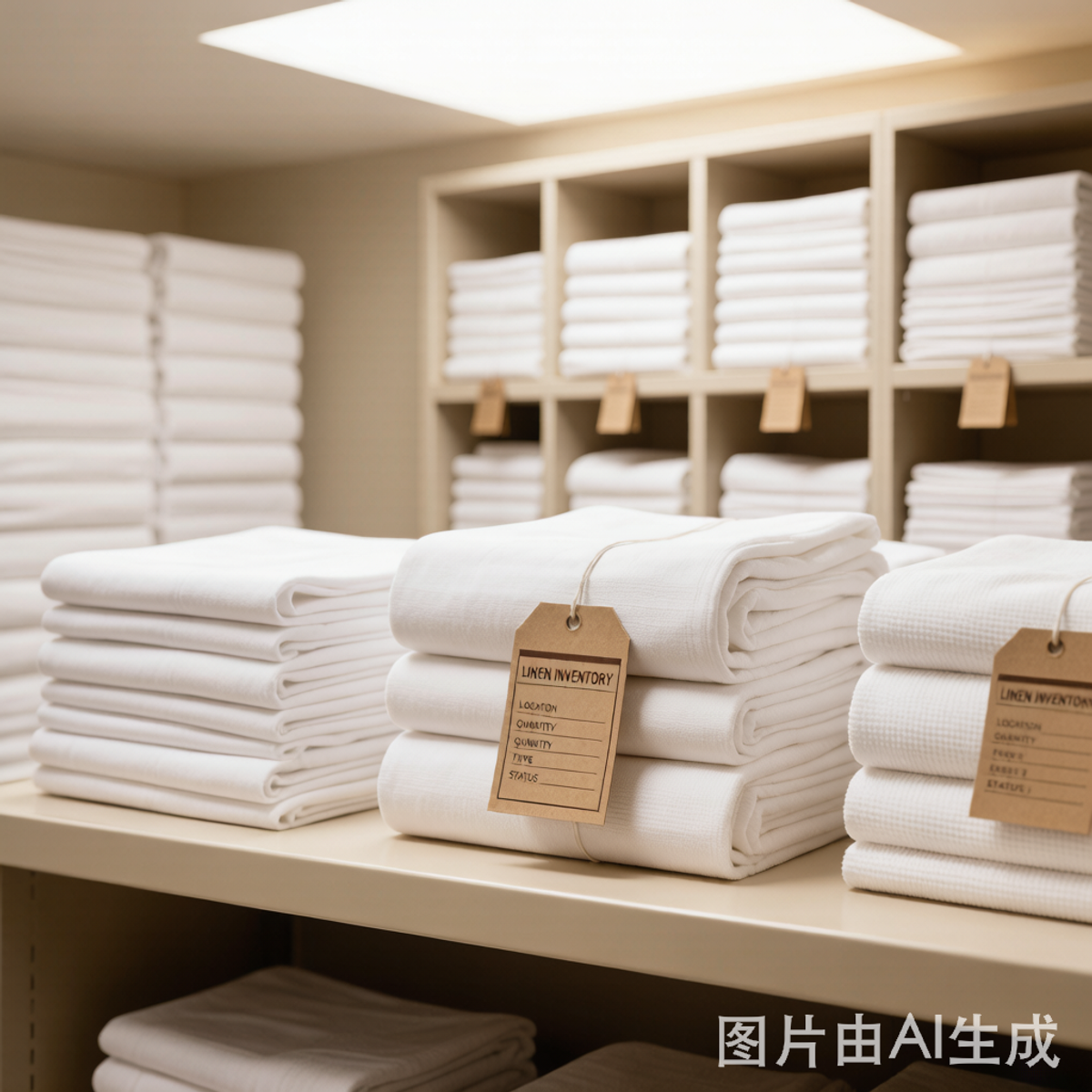
What Is a PAR Level in Hotel Linen Management?
PAR (Periodic Automatic Replacement) is the standard method hotels use to determine how many complete linen sets are needed per room to operate without interruption. A PAR level represents the total number of linen sets required to cover rooms in use, items in laundry, and items in storage simultaneously.
Without defined PAR levels, hotels operate reactively. They reorder when they notice shortages rather than when data tells them to. This leads to emergency purchases at inflated prices, inconsistent quality across rooms, and housekeeping teams scrambling during peak occupancy.
The Three Standard PAR Configurations
Most hotels operate on one of three PAR models, each suited to different property types and occupancy patterns:
2-PAR: Bare Minimum
One set in rooms, one in laundry. This is the leanest model and works only for small properties with very predictable occupancy and an on-premise laundry operating on short turnaround. The risk is high: any laundry delay creates an immediate room turnover bottleneck. Not recommended for properties above 50 rooms.
3-PAR: Industry Standard
One set in rooms, one in laundry, one in storage. This is the most common configuration for midscale and upscale hotels with 50-300 rooms. The storage buffer absorbs laundry fluctuations, handles unexpected occupancy spikes, and provides a cushion for damaged items pulled from circulation. 3-PAR is the sweet spot for most Chinese-sourced hotel linen orders.
4-PAR: Luxury & Resort Standard
Three sets as above plus a fourth buffer set. Common in luxury properties, resorts with high guest expectations, and properties in remote locations where reordering lead times are long. The additional investment is roughly 25% more linen inventory, but the payback comes in the form of near-zero room turnover delays and the ability to maintain pristine quality even during peak season.
Need these specs quoted for your property?
Tell us your hotel tier, quantities and timeline — get a free, no-obligation quote within 24 hours.
How to Calculate Your PAR Level
Start with a room count. Multiply by the number of linen pieces per room type (2 sheets, 4 pillowcases, 2 bath towels, 2 hand towels, etc.). Then multiply by your chosen PAR factor (2, 3, or 4). For example, a 100-room hotel operating at 3-PAR with 2 sheets per room needs 600 sheets in total circulation.
After procurement, the real work begins. Track actual usage against your PAR model. Most properties discover within the first quarter that shrinkage rates of 5-15% require upward adjustment. Build a 10% buffer into your initial order to avoid shortfalls during the stabilization period.
Shrinkage: The Silent Budget Killer
Industry data shows annual linen shrinkage rates of 15-20% are common. This isn't theft in most cases. It's laundry damage, guest stains beyond recovery, items mistakenly discarded by housekeeping, and cross-contamination between laundry batches. Without tracking, shrinkage looks like an unavoidable overhead.
Hotels that implement basic tracking — monthly spot counts, laundry batch reconciliation, housekeeping discard logs — typically reduce shrinkage from 20% to under 10% within six months. The key is visibility. When housekeeping knows discards are tracked, they become more careful. When laundry operators know batches are reconciled, cross-contamination drops.
PAR and Procurement: The China Sourcing Advantage
For international buyers sourcing from China, PAR planning directly affects order sizing and negotiation power. Chinese manufacturers typically offer tiered pricing: 500-piece orders are one price, 2,000-piece orders are another. When you know your annual PAR-driven replacement volume, you can batch orders strategically.
Many procurement managers order quarterly to spread cash flow. But annual consolidated orders from a well-planned PAR model can reduce unit costs by 10-15% while simplifying logistics and quality consistency. A 200-room hotel on 3-PAR typically replaces 30-40% of linen annually, creating predictable reorder volumes that suppliers appreciate.
Key Takeaways
3-PAR is the default: one in rooms, one in laundry, one in storage. It works for most properties and provides enough buffer for operational stability. Plan for 10-15% annual shrinkage in your procurement budget. Track linen movement — even basic tracking reduces losses by half. And when sourcing from China, use your PAR model to plan annual consolidated orders for better pricing and consistent quality.
Shop Related Products
Free PDF: Complete Hotel Linen Buying Guide
Step-by-step procurement guide covering specs, MOQ, pricing, QC, and shipping — based on real Dieshiqiao experience.
Need help sourcing hotel linens?
Get a free quote within 24 hours. No commitment required.
Request a QuoteRelated Articles
Hotel Linen Budget Planning: A Cost Per Occupied Room (CPOR) Framework for 2026
Learn how to calculate linen cost per occupied room (CPOR), set budgets by property tier, plan replacement cycles, and optimize laundry spend — with a practical framework for 2026.
Hotel Linen Laundry Best Practices: How to Maximize Lifespan & Cut Replacement Costs
Proper laundry protocols can double hotel linen lifespan. Learn sorting rules, chemical dosing, water hardness targets, and the wash cycle tweaks that save thousands in annual replacement costs.
Hotel Linen Care: How to Maximize the Lifespan of Your Bed Sheets and Towels
Laundry and storage tips to double the service life of hotel linens. Save thousands in replacement costs per property per year.