Hotel Table Linen & Napkin QC: Stain Release, Hemming, and Mitered Corners
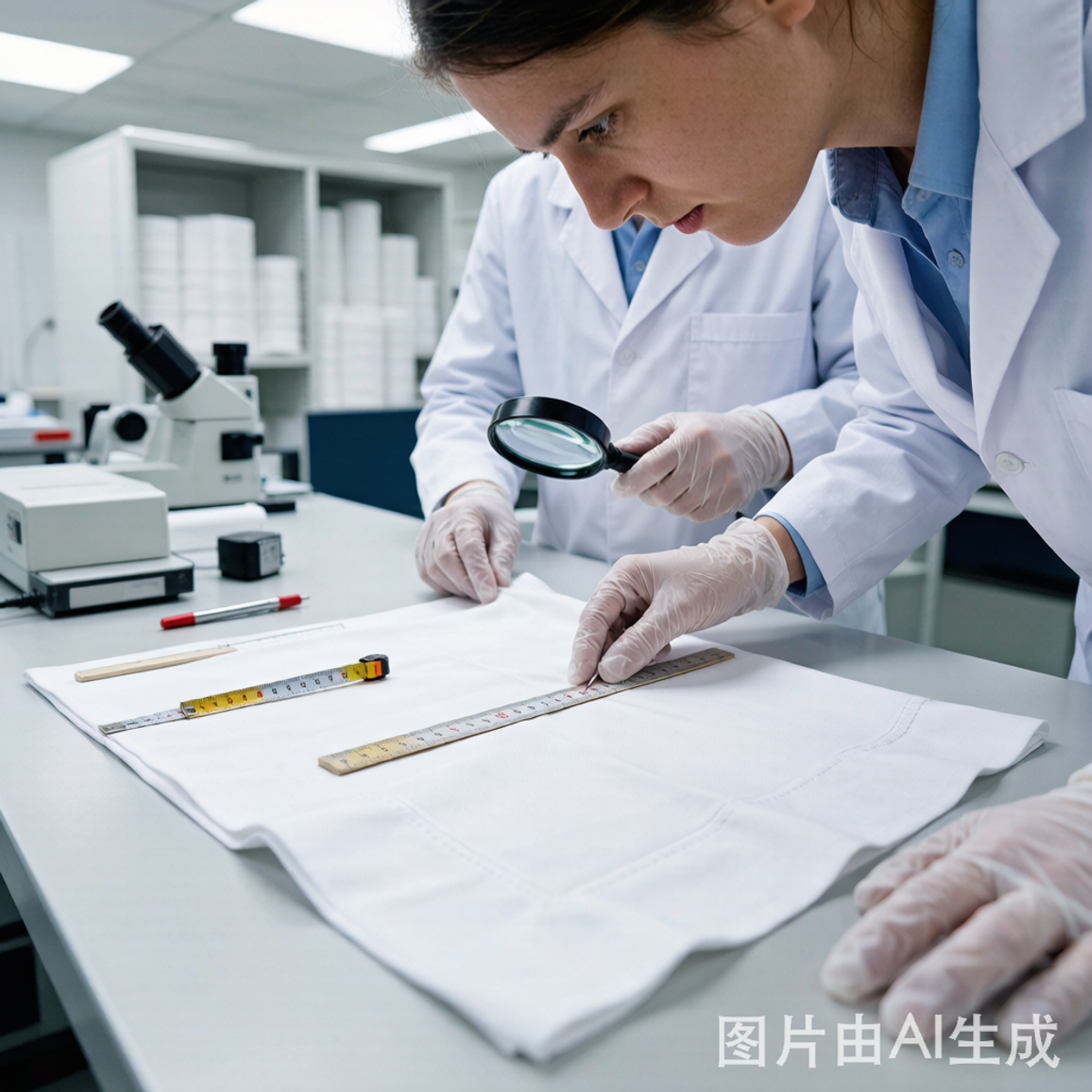
Table linens face a unique challenge in the hotel environment: they must look pristine under close guest inspection while surviving stains from food, beverages, and oils that are far more aggressive than anything bed linens encounter. Table linen QC must address both aesthetic standards and functional requirements. This checklist covers the critical quality parameters for restaurant and banquet linens.
1. Fabric Specification: Why Table Linens Need Different Standards
Table linens require different fabric constructions than bed linens. Fabric weight: tablecloths minimum 180 GSM, napkins minimum 160 GSM “ lighter weights do not drape properly. Weave: plain weave (percale) with higher yarn twist than bed sheeting for better stain resistance. 100% polyester and poly-cotton (T/C 65/35) are increasingly dominant due to superior stain release and lower laundry costs. For cotton table linens, the fabric must be sanforized to minimize shrinkage through repeated 90”C washes.
2. Stain Release and Repellency Testing
This is the most important QC test for table linens. Test method: apply standardized stains (red wine, coffee, tomato sauce, vegetable oil, mustard) to fabric swatches. Let stand for 15 minutes. Wash per AATCC 130 at 60”C with commercial laundry detergent. After washing, rate stain removal: grade 4.0 minimum (slight stain) for cotton, grade 4.5 minimum for T/C blends. Treated polyester table linens should achieve grade 4.5-5.0. For cotton table linens with fluorocarbon finish, test finish durability by AATCC 118 oil repellency: minimum grade 3 after 10 washes.
3. Mitered Corner Construction
Mitered corners are the hallmark of quality table linens. The corner fold must create a crisp 45-degree angle, no bulk buildup, no exposed raw edges inside the hem, and the miter point must be sharp (not rounded or dog-eared). Stitching: the diagonal seam inside the miter should be invisible from the face side. Hem width: 2-3 cm for tablecloths, 1.5-2 cm for napkins, consistent within 2 mm around all four sides. For round tablecloths, the hem must be evenly gathered and lie flat without puckering.
4. Hem and Stitching Quality
Need these specs quoted for your property?
Tell us your hotel tier, quantities and timeline — get a free, no-obligation quote within 24 hours.
Table linen hems are under constant stress from pulling, stretching across tables, and industrial laundry equipment. Hem type: double-fold hem, 2 cm width minimum for tablecloths, 1.5 cm for napkins. Stitch density: 12-14 stitches per inch (SPI) for table linens “ higher than bed sheets (10-12 SPI). Thread type: 100% polyester core-spun thread (cotton-wrapped polyester core) for heat resistance and strength. Check hem corners for “dog ears” (excess fabric at corner folds). Thread color must match fabric.
5. Whiteness and Optical Properties
White table linens are seen up close in dining lighting conditions. Whiteness index must exceed 160 CIE (vs. 155 for bed sheets) to appear truly white under warm restaurant lighting. Optical brightener distribution must be absolutely uniform “ any streaking or patchiness is visible on a set table. For colored table linens, color consistency between pieces is critical. Perform shade sorting: all pieces must fall within a single shade band under D65 lighting.
6. Dimensional Stability and Post-Wash Appearance
Table linens that shrink unevenly create a visibly poor table setting. Wash test: 5 cycles at 85”C for cotton, 60”C for polyester blends. Maximum shrinkage: 2% length, 2% width “ tighter tolerance than bed sheets. Post-wash appearance: tablecloth must lay flat without edge curling. For 100% polyester and T/C blends, the fabric should be essentially wrinkle-free after tumble drying. For 100% cotton, check that wrinkles are removable with standard flatwork ironing.
7. Functional Considerations Unique to F&B Operations
Table linens must interact with other F&B elements. Skid resistance: the fabric surface should have enough friction that plates and glassware do not slide easily. Noise: overly stiff table linens create rustling noise. Flame resistance: for public assembly spaces, table linens may require flame retardant certification (NFPA 701 in US, BS 5867 in UK). Seamless construction: for large banquet tablecloths, verify they are woven on wide looms and do not have joining seams.
Table linen QC requires understanding the unique demands of F&B operations. Our Nantong QC team includes specialists trained specifically in hospitality table linen inspection, covering stain release testing, mitered corner workmanship, and all quality points detailed above.
Shop Related Products
Free PDF: Complete Hotel Linen Buying Guide
Step-by-step procurement guide covering specs, MOQ, pricing, QC, and shipping — based on real Dieshiqiao experience.
Need help sourcing hotel linens?
Get a free quote within 24 hours. No commitment required.
Request a QuoteRelated Articles
Hotel Linen Color Consistency QC: Dye Lot Management & Inspection Standards
Dye lot variation is one of the most common hotel linen quality complaints. Learn lab dip approval, Delta E measurement, light box testing, AQL sampling, and color QC protocols.
Hotel Bathrobe Quality Inspection: Terry, Velour & Waffle Weave Standards
QC checklist for hotel bathrobes: fabric weight comparison (terry vs velour vs waffle), belt and pocket construction, embroidery quality, and sizing verification.
Hotel Bed Sheet Quality Inspection Checklist: From Fabric to Packaging
Complete QC checklist for hotel bed sheets: fabric weight, stitch quality, shrinkage, color fastness, and packaging standards. Ensure every shipment meets spec.