Bamboo & Alternative Fibers for Hotel Bedding: A Procurement Guide
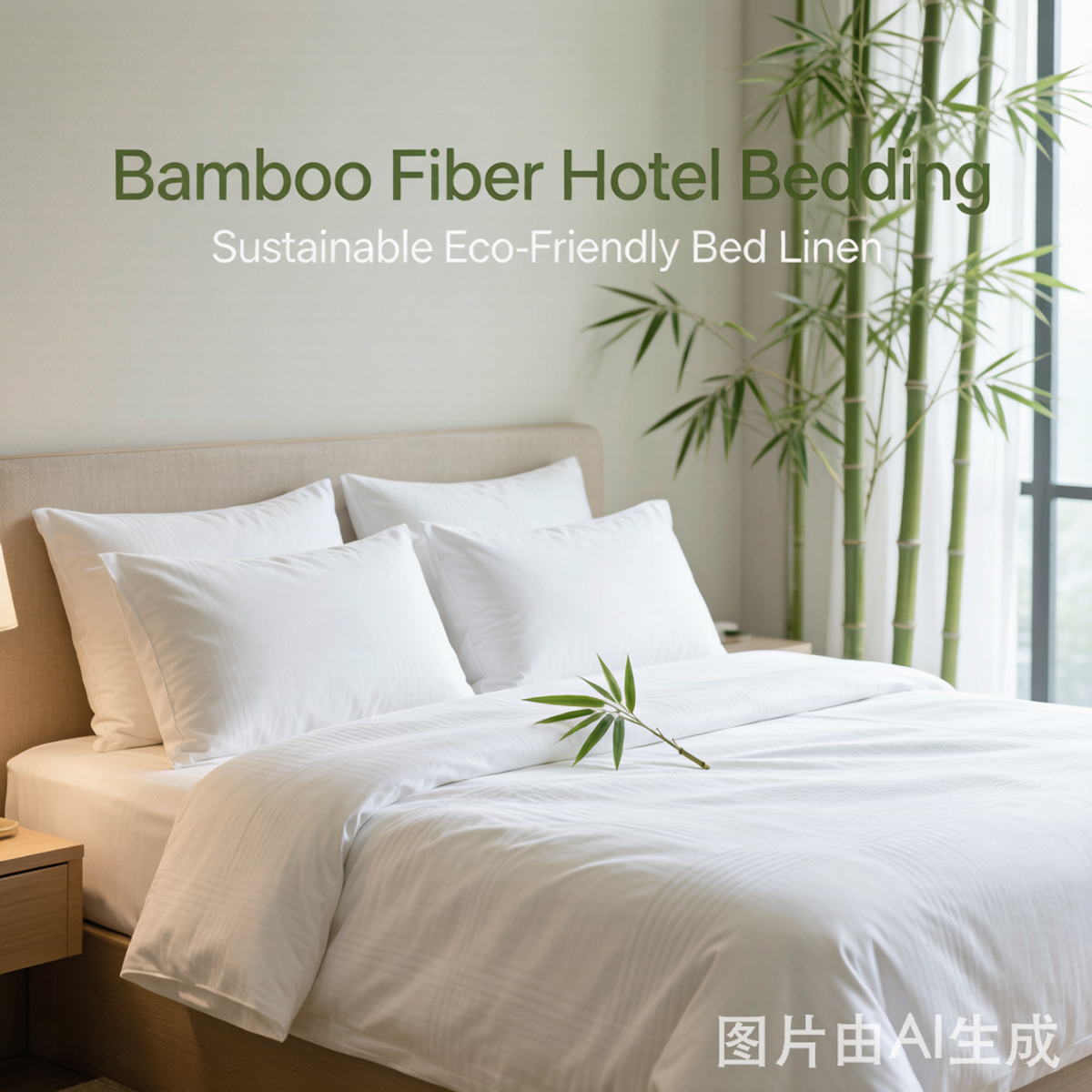
Cotton dominates hotel bedding — but it is not the only option. A growing segment of hotel properties, particularly in the boutique, eco-resort, and luxury wellness categories, is exploring alternative natural fibers. Bamboo, modal, hemp, and linen each offer distinctive performance characteristics, sustainability narratives, and guest experience profiles that differentiate properties from the cotton-standard competition. This guide examines the procurement realities — not just the marketing claims — for each alternative fiber in hospitality applications.
Bamboo: The Marketing vs. The Reality
Bamboo fabric is one of the most marketed — and most misunderstood — textile fibers. The reality: virtually all commercially available "bamboo" fabric is bamboo viscose (rayon), a regenerated cellulose fiber made by chemically dissolving bamboo pulp and extruding it into fibers. It is not the mechanically crushed "bamboo linen" that some marketing suggests. Bamboo viscose shares manufacturing similarities with generic rayon and involves chemical processing — a fact often glossed over in eco-marketing. That said, bamboo viscose delivers genuine performance benefits for hotel applications: exceptional softness (comparable to high-end cotton sateen), natural antimicrobial properties (bamboo kun, retained through the viscose process to varying degrees), excellent moisture wicking, and a distinctive cool-to-the-touch feel. Durability is the weak point — bamboo viscose loses 20-30% of its wet strength and typically delivers 120-150 commercial wash cycles, 30-40% fewer than comparable cotton. For hotel use, bamboo-cotton blends (typically 40/60 or 50/50) offer a more practical balance of bamboo's sensory benefits with cotton's durability.
Modal: The Underappreciated Premium Fiber
Modal is a type of rayon made exclusively from beechwood pulp, with Lenzing Modal (Austria) being the industry gold standard. Compared to generic viscose/bamboo, Modal offers significantly higher wet strength (retaining approximately 60% of dry strength) and superior softness that actually improves with washing. Modal fabrics have a silky drape and deep dye absorption — colors appear richer and more saturated than on cotton. For hotel applications, Modal excels in high-touch items: bathrobes, towels (blended with cotton), and pillowcases where guests directly experience the fiber's softness. Pure Modal is rarely used for sheets due to cost ($30-45 per set, FOB) and lower abrasion resistance. Modal-cotton blends at 30-40% Modal content are the practical specification for hotel bedding. Modal prices are approximately 20-30% above Tencel and 40-50% above premium long-staple cotton.
Linen (Flax): The Heritage Luxury Fiber
Need these specs quoted for your property?
Tell us your hotel tier, quantities and timeline — get a free, no-obligation quote within 24 hours.
Linen — made from flax fibers — is the original luxury bedding fiber, predating cotton by millennia. Its characteristic slubby texture and exceptional breathability make it a favorite for high-end resorts in warm climates (Mediterranean, Caribbean, Southeast Asia). Linen's performance characteristics are distinctive: it is 2-3 times stronger than cotton, highly absorbent (up to 20% of its weight in moisture without feeling damp), naturally antimicrobial, and becomes softer with every wash. The drawbacks are significant for hospitality: linen wrinkles aggressively (a "feature" in boutique settings, a liability in convention hotels), it is expensive ($50-80 per sheet set FOB for European flax linen), and its textured hand feel is polarizing — guests either love it or complain about the "roughness." Linen is best deployed strategically: premium suites, spa guest rooms, and properties where the "lived-in luxury" aesthetic aligns with the brand identity. For these applications, specify European flax (Belgian or French origin) with a minimum 160 GSM for durability.
Hemp: The Sustainability Powerhouse
Hemp fabric is the most environmentally sustainable textile fiber, period. It requires no pesticides, minimal water (half of cotton's requirements), regenerates soil, and produces 2-3 times more fiber per acre than cotton. For eco-resorts and properties marketing aggressive sustainability credentials, hemp bedding offers an authentic story that bamboo cannot match. Performance-wise, hemp is the strongest natural fiber, highly breathable, naturally UV-resistant and antimicrobial, and softens dramatically with use. The challenges: pure hemp fabric is expensive (comparable to premium linen), has limited supply chains (few Chinese mills produce hotel-grade hemp sheeting), and the initial hand feel can be stiff until broken in through multiple washes. Hemp-cotton blends (typically 55% hemp / 45% organic cotton) are the most practical hotel specification, balancing hemp's sustainability credentials with cotton's familiar softness. These are specialty products — expect 35-45 day lead times and MOQs of 300+ sets.
Organic Cotton: Certification-Driven Procurement
Organic cotton is not a different fiber but a different agricultural standard — and it has become the baseline sustainability specification for many hotel chains' bedding programs. GOTS (Global Organic Textile Standard) certification is the procurement benchmark, covering not just fiber origin but also processing chemicals, water treatment, and social compliance throughout the supply chain. GOTS-certified organic cotton typically costs 25-40% more than conventional cotton of equivalent quality. The performance characteristics are identical to conventional cotton of the same staple length and weave — organic certification does not inherently improve or degrade fabric quality. For hotels, the value proposition is entirely in the certification: it provides a verifiable, third-party-audited sustainability claim that guests recognize and that supports ESG reporting requirements. When sourcing organic cotton from Chinese mills, always verify GOTS certification through the GOTS public database rather than accepting supplier-provided certificates at face value.
Making the Right Alternative Fiber Decision
Alternative fibers succeed in hotel applications when they serve a strategic purpose — differentiating the property, supporting a sustainability narrative, or delivering a distinctive guest experience that drives reviews and repeat bookings. They fail when adopted purely on trend without considering operational implications. Before specifying an alternative fiber, evaluate: expected service life vs. cotton baseline (most alternative fibers underperform cotton on durability), laundry compatibility with your existing chemicals and temperatures, guest expectations in your market segment, price premium vs. marketing ROI, and supplier reliability for what may be a lower-volume specialty order. Our procurement service can source and QC-verify bamboo, modal, linen, hemp, and organic cotton hotel linens from qualified Nantong and surrounding mills — including blended specifications that optimize the balance of performance and cost for your specific property requirements.
Shop Related Products
Free PDF: Complete Hotel Linen Buying Guide
Step-by-step procurement guide covering specs, MOQ, pricing, QC, and shipping — based on real Dieshiqiao experience.
Need help sourcing hotel linens?
Get a free quote within 24 hours. No commitment required.
Request a QuoteRelated Articles
Linen (Flax) Fabric for Hotels: Properties, GSM Guide & Procurement Tips
Linen made from flax is the oldest textile fiber and one of the most luxurious options for hotel bedding. Learn GSM ranges, finishing types, and sourcing tips.
Cotton Types for Hotel Linens: Egyptian, Pima & Long-Staple Explained
Compare Egyptian, Pima, and long-staple cotton for hotel bedding. Learn which fiber delivers the best durability, softness, and ROI for your property.
Hotel Linen Fabric Finishing: Mercerization, Sanforization & Anti-Pill Treatments
Fabric finishing transforms raw textiles into hotel-grade linens. Learn how mercerization, sanforization, and anti-pill treatments affect durability, sheen, and guest experience.