Linen (Flax) Fabric for Hotels: Properties, GSM Guide & Procurement Tips
Why Linen Matters for Hotels
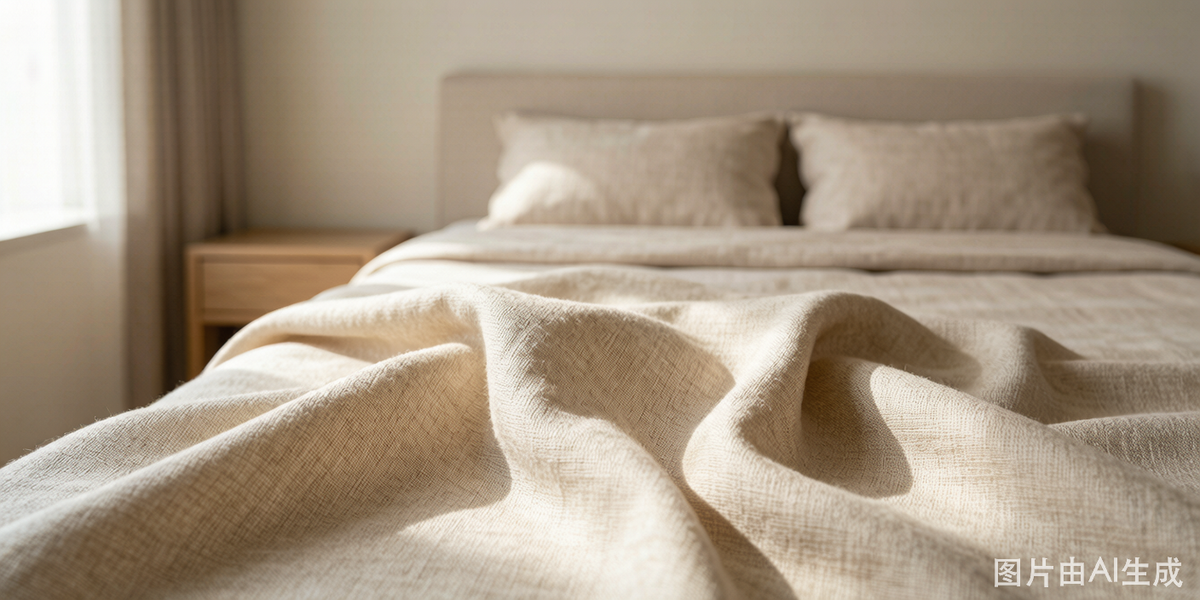
Linen made from flax is the oldest textile fiber and one of the most luxurious options for hotel bedding. In the modern hotel industry, linen has experienced a remarkable resurgence. Luxury and boutique hotels are increasingly specifying pure linen bedding, table linens, and even bath textiles for its unique combination of elegance, sustainability, and performance.
Unlike cotton, which is a seed fiber, flax fibers are extracted from the plant's stem through a labor-intensive retting process. This structural difference gives linen its distinctive properties: exceptional strength 30% stronger than cotton, natural temperature regulation, and a texture that actually improves with every wash.
Flax Fiber Properties: What Makes Linen Unique
Thermoregulation. Linen is naturally thermo-regulating — it keeps guests cool in summer and warm in winter. The hollow structure of flax fibers allows air to circulate freely, making linen sheets up to 3-4 degrees Celsius cooler than cotton equivalents. This is a measurable guest comfort advantage for hotels in warm climates.
Moisture Management. Linen can absorb up to 20% of its own weight in moisture before feeling damp. It wicks perspiration away from the body and dries quickly — roughly twice as fast as cotton. In humid coastal resorts and tropical destinations, this translates to fresher-feeling bedding throughout the night.
Hypoallergenic and Antibacterial. Flax fibers naturally resist bacterial growth and dust mite colonization. Studies have shown linen fabric reduces bacterial presence by up to 30% compared to cotton. For hotels marketing wellness and allergy-friendly rooms, this is a verifiable claim.
Durability. Linen is 30% stronger than cotton and becomes softer — not weaker — with repeated washing. A quality hotel linen sheet set, properly laundered, can last 3-5 years of commercial use, compared to 1.5-2.5 years for a comparable cotton set.
GSM and Weight Guide for Hotel Linen
GSM (grams per square meter) is the key specification for linen procurement. Bed Sheets: 150-185 GSM — lightweight, breathable, drapes beautifully. Duvet Covers: 170-220 GSM — medium weight, structured drape. Tablecloths: 200-280 GSM — heavy weight, formal drape, stain resistant. Napkins: 180-220 GSM — crisp hand feel, holds fold lines. Bath Towels: 300-450 GSM — absorbent but not cotton-heavy, quick-drying. Bathrobes: 250-350 GSM — lightweight spa feel, excellent breathability.
For luxury hotel bedding, the sweet spot for linen sheets is 160-180 GSM — heavy enough to feel substantial and drape well, but light enough to maintain linen's signature breathability.
Linen vs Cotton: When to Choose Which
Choose Linen When: your brand positioning emphasizes natural luxury, sustainability, or European heritage; the property is in a warm or humid climate; guests value a textured aesthetic; you can absorb 40-80% higher upfront material cost in exchange for 2-3x longer lifespan.
Choose Cotton When: bleachable, sterile-white presentation is non-negotiable (linen does not bleach to pure optical white); ironed, wrinkle-free surfaces are required by brand standards; budget constraints make the linen premium difficult to justify.
A growing number of upscale properties adopt a hybrid strategy: cotton sheets in standard rooms, linen sheets in suites and premium categories where the differentiation justifies the investment.
Washed Linen vs Crisp Linen: Finishing Types
Need these specs quoted for your property?
Tell us your hotel tier, quantities and timeline — get a free, no-obligation quote within 24 hours.
Washed/Pre-Washed Linen. The fabric is enzyme-washed or stone-washed before cutting and sewing. This pre-softens the fibers, reduces initial shrinkage, and gives the fabric its characteristic relaxed, slightly rumpled texture. Most hotel linen bedding today is pre-washed.
Crisp/Formal Linen. Used primarily for table linens and napkins. Starch-finished or calendered for a smooth, formal surface that holds sharp folds. Requires professional pressing after every wash cycle.
Garment-Washed. The finished product is washed after sewing, producing the most relaxed, softest feel. This is the premium option for luxury hotel bedding but adds 15-20% to the cut-and-sew cost.
Care and Laundry Considerations
Washing: wash at 40-60 degrees Celsius, not boiling. High-temperature cotton cycles (90°C+) can damage the natural flax fibers and accelerate wear. Use mild, bleach-free detergents.
Drying: tumble dry on low-medium heat. Over-drying makes linen brittle. Remove while slightly damp and finish on a flat-bed press or hang dry.
Lifespan: 150-200 commercial wash cycles for quality hotel linen, compared to 80-120 for equivalent cotton. This means 3-5 years in a property with 80%+ occupancy.
Cost Analysis: Linen Total Cost of Ownership
Despite a 60-80% higher initial purchase price, linen's 5-year total cost of ownership is actually 30-40% lower than cotton — provided your laundry team handles it correctly. A cotton sheet set (60s, 300TC) at $45-65 FOB lasts 80-120 wash cycles, costing $0.41-0.54 per wash cycle. A linen sheet set at $75-110 FOB lasts 150-200 wash cycles, costing $0.38-0.50 per wash cycle.
This is the single most important number to present to hotel owners who push back on linen's upfront cost.
Sourcing Linen from Chinese Manufacturers
China's flax textile industry is concentrated in the Yangtze River Delta. Key sourcing considerations:
Fiber Origin Matters. The best flax comes from Normandy (France) and Belgium. Premium Chinese linen manufacturers import European flax fiber and weave domestically. Always ask for the fiber origin certificate.
Specify Pre-Washing. If you want the soft, relaxed hotel aesthetic, specify enzyme-washed or pre-washed in your PO. Without this, you will receive stiff, unwashed linen that shrinks dramatically on the first commercial wash.
MOQ Realities. Linen typically carries higher MOQs than cotton — expect 300-500 sets per SKU for custom weaving, though stock linen programs can go as low as 50 sets.
Lead Time. 30-45 days from order confirmation, plus 2-4 weeks for lab dip approval if custom-dyed.
QC Focus Points. Check for slubs (thick fiber knots), evenness of the pre-wash finish, and dimensional stability after 3 wash cycles.
Shop Related Products
Free PDF: Complete Hotel Linen Buying Guide
Step-by-step procurement guide covering specs, MOQ, pricing, QC, and shipping — based on real Dieshiqiao experience.
Need help sourcing hotel linens?
Get a free quote within 24 hours. No commitment required.
Request a QuoteRelated Articles
Bamboo & Alternative Fibers for Hotel Bedding: A Procurement Guide
Bamboo, modal, hemp, and linen for hotel bedding — explore alternative natural fibers, their performance characteristics, cost profiles, and procurement considerations.
Cotton Types for Hotel Linens: Egyptian, Pima & Long-Staple Explained
Compare Egyptian, Pima, and long-staple cotton for hotel bedding. Learn which fiber delivers the best durability, softness, and ROI for your property.
Hotel Linen Fabric Finishing: Mercerization, Sanforization & Anti-Pill Treatments
Fabric finishing transforms raw textiles into hotel-grade linens. Learn how mercerization, sanforization, and anti-pill treatments affect durability, sheen, and guest experience.