Cotton Types for Hotel Linens: Egyptian, Pima & Long-Staple Explained
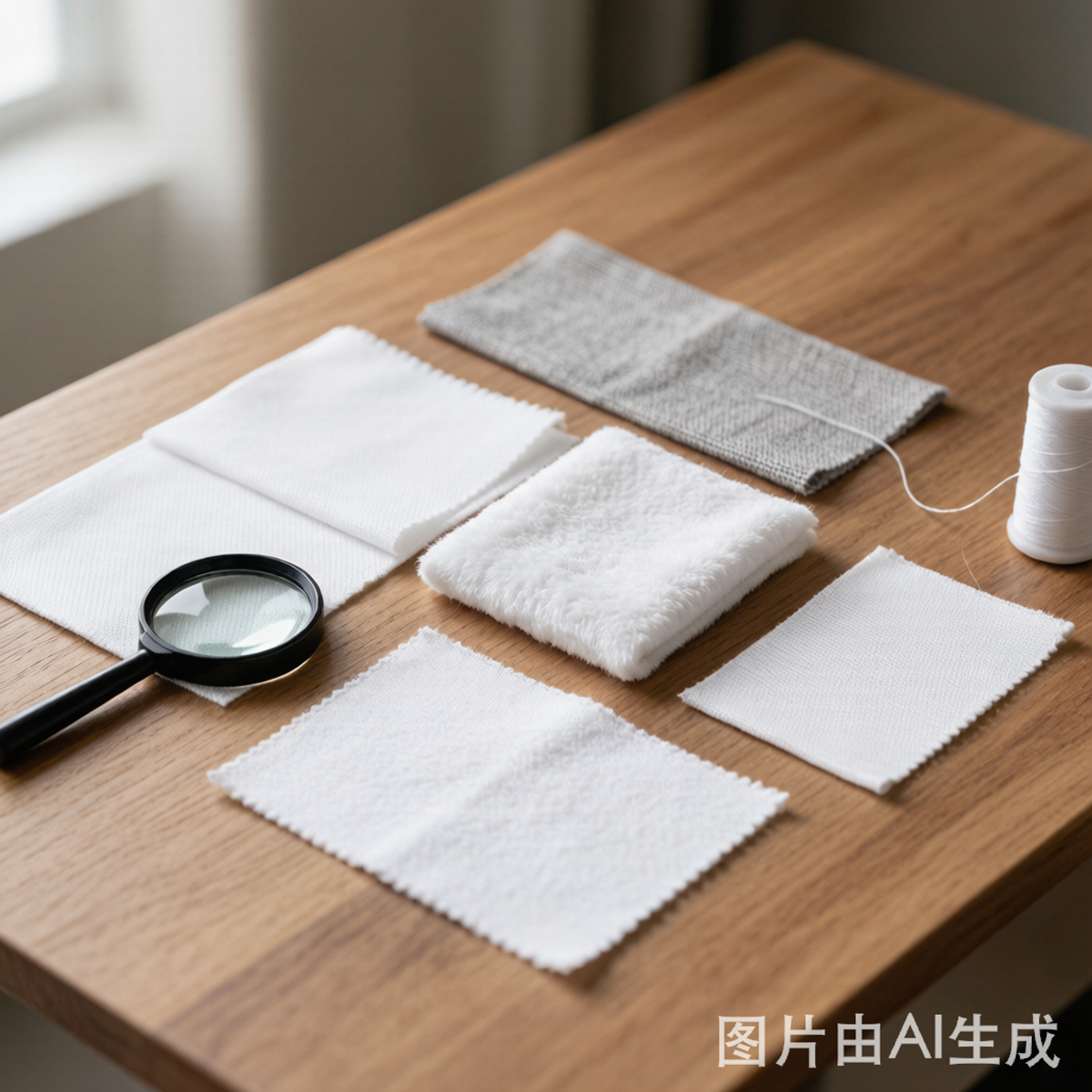
Cotton is the foundation of hotel bedding. But not all cotton is equal. The difference between a sheet that pills after 50 washes and one that stays smooth through 200 industrial laundry cycles often comes down to the cotton variety itself. For hotel procurement managers, understanding cotton types is not an academic exercise — it directly affects guest satisfaction scores, replacement cycles, and per-room linen budgets.
What Makes Cotton "Long-Staple"?
Cotton fiber length — measured as staple length — is the single most important quality indicator. Short-staple cotton (under 1 1/8 inch) produces yarn with more exposed fiber ends, leading to a rougher hand feel and increased pilling. Long-staple cotton (1 1/4 inch and above) spins into smoother, stronger yarns with fewer splices. The result: a tighter weave, higher thread count potential, and dramatically better durability. For hotel applications, long-staple cotton typically delivers 40-60% longer service life compared to short-staple equivalents.
Egyptian Cotton: The Gold Standard
Egyptian cotton (Gossypium barbadense) produces the longest, finest fibers in the world — typically 1 3/8 to 1 1/2 inches. Its extra-long staple yields yarn with exceptional strength and a naturally lustrous finish. For 5-star hotels, Egyptian cotton sheets in 300-600 thread count represent the premium tier. However, genuine Egyptian cotton accounts for less than 1% of global cotton production. Many products labeled "Egyptian cotton" are blends or entirely different varieties. When sourcing, always request fiber origin certification and lab test reports. At our partner mills in Nantong, we source certified Giza-region Egyptian cotton with full traceability documentation.
Pima/Supima Cotton: The American Premium
Pima cotton, grown primarily in the US Southwest, is another extra-long-staple variety (1 3/8 inch). Supima is the trademarked certification that guarantees 100% American Pima cotton. It offers excellent softness and durability, comparable to Egyptian cotton but with a slightly different hand feel — many hoteliers describe Pima as "crisper" and Egyptian as "silkier." Price-wise, Supima typically runs 15-20% below certified Egyptian cotton, making it a strong value proposition for upper-midscale to upscale properties. Pima is particularly well-suited for high-thread-count sateen weaves where its fiber length prevents the thin spots that plague lesser cottons at 400+ thread counts.
Need these specs quoted for your property?
Tell us your hotel tier, quantities and timeline — get a free, no-obligation quote within 24 hours.
Xinjiang Long-Staple Cotton: The Value Champion
China's Xinjiang region produces long-staple cotton with fiber lengths of 1 1/4 to 1 3/8 inch — entering true long-staple territory at a fraction of Egyptian cotton prices. Xinjiang long-staple cotton has become the workhorse of the global hotel linen industry. It delivers 80-90% of the performance characteristics of Egyptian cotton at 30-40% of the cost. For midscale hotels, chain properties, and budget-conscious procurement managers, Xinjiang long-staple cotton represents the optimal price-performance ratio. Our Nantong partner factories maintain direct supply relationships with Xinjiang cotton mills, eliminating intermediaries and ensuring competitive FOB pricing.
Upland Cotton: Budget Option with Tradeoffs
Upland cotton (Gossypium hirsutum) is the world's most common cotton, with staple lengths of 7/8 to 1 1/8 inch. It's widely used in economy hotel linens but comes with notable drawbacks: rougher texture, faster pilling, lower absorbency, and shorter service life (typically 100-150 washes vs. 200+ for long-staple). While the upfront cost is 50-60% lower, the total cost of ownership often exceeds long-staple alternatives due to more frequent replacement cycles. We generally recommend Upland cotton only for budget properties with annual linen replacement programs or for guest rooms with seasonal occupancy patterns where durability is less critical.
How to Verify Cotton Quality When Sourcing from China
When procuring cotton linens from Chinese suppliers, insist on the following documentation: fiber length test reports (ASTM D1447), yarn count certification, fabric weight (GSM) verification, and color fastness test results (AATCC 61). Reputable Nantong mills provide these as standard with bulk orders. Additionally, request a pre-production sample for independent lab testing before confirming the production run. Our on-site QC team in Nantong performs fiber length verification using high-volume instrument testing at every stage from raw cotton bale inspection through finished product sampling.
Procurement Recommendation by Hotel Tier
Luxury/5-Star: Certified Egyptian cotton, 400-600 TC sateen or percale. Budget $35-55 per sheet set (FOB Nantong). Upper-Upscale: Supima or Xinjiang long-staple, 300-400 TC. Budget $22-35 per sheet set. Midscale: Xinjiang long-staple, 250-300 TC. Budget $15-22 per sheet set. Economy: Xinjiang long-stapble or Upland blends, 200-250 TC. Budget $10-15 per sheet set. All prices are indicative FOB Nantong for bulk orders (500+ sets). Contact us with your specifications for a precise quotation.
Shop Related Products
Free PDF: Complete Hotel Linen Buying Guide
Step-by-step procurement guide covering specs, MOQ, pricing, QC, and shipping — based on real Dieshiqiao experience.
Need help sourcing hotel linens?
Get a free quote within 24 hours. No commitment required.
Request a QuoteRelated Articles
Linen (Flax) Fabric for Hotels: Properties, GSM Guide & Procurement Tips
Linen made from flax is the oldest textile fiber and one of the most luxurious options for hotel bedding. Learn GSM ranges, finishing types, and sourcing tips.
Bamboo & Alternative Fibers for Hotel Bedding: A Procurement Guide
Bamboo, modal, hemp, and linen for hotel bedding — explore alternative natural fibers, their performance characteristics, cost profiles, and procurement considerations.
Hotel Linen Fabric Finishing: Mercerization, Sanforization & Anti-Pill Treatments
Fabric finishing transforms raw textiles into hotel-grade linens. Learn how mercerization, sanforization, and anti-pill treatments affect durability, sheen, and guest experience.