Hotel Linen Fabric Finishing: Mercerization, Sanforization & Anti-Pill Treatments
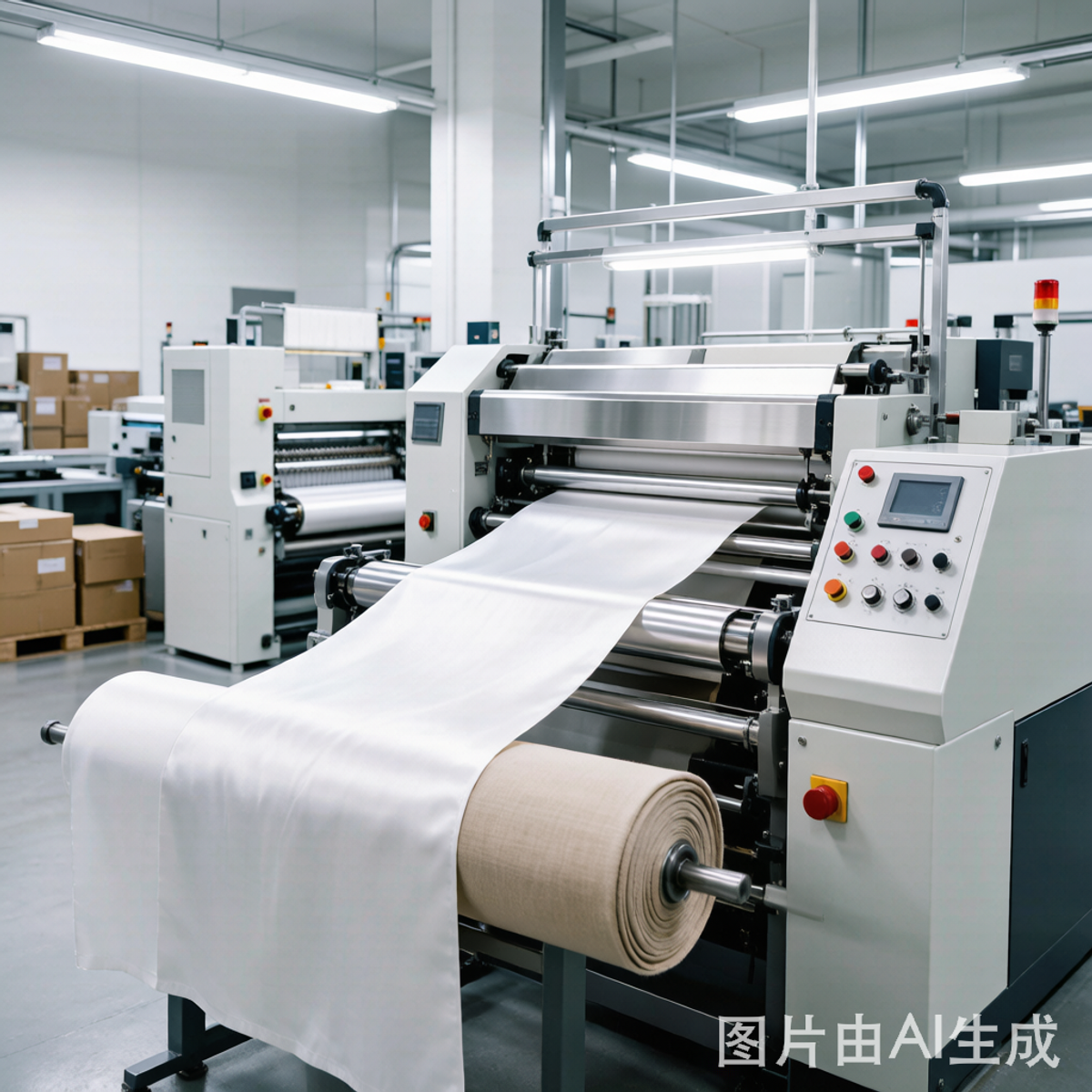
Two fabric samples can share identical fiber content, thread count, and GSM — yet perform completely differently in a hotel environment. The difference is finishing. Fabric finishing processes are the least visible but arguably most important step in textile manufacturing for hospitality applications. They transform grey (unfinished) fabric into linen that resists shrinkage, maintains color through bleach-heavy laundry cycles, and stays smooth wash after wash. For procurement managers, understanding finishing is what separates a specification that looks good on paper from one that actually performs in the field.
Mercerization: The Foundation of Quality Cotton Finishing
Mercerization is a chemical treatment — invented by John Mercer in 1844 — that treats cotton yarn or fabric with a caustic soda (sodium hydroxide) solution under tension. The process permanently alters the cotton fiber's physical structure: the fiber swells, its cross-section changes from a flat ribbon to a round shape, and its surface becomes smoother and more reflective. The results are dramatic: increased tensile strength (25-30% stronger), enhanced dye uptake (colors are deeper and more colorfast), improved luster (the characteristic "mercerized sheen"), and reduced fiber shrinkage in subsequent washing. For hotel linens, mercerization is not optional — it is the difference between sheets that look premium and those that look budget, regardless of thread count. Always verify that suppliers mercerize their cotton yarns before weaving, not as a superficial post-treatment that washes out.
Sanforization: The Anti-Shrinkage Process
Sanforization is a controlled compressive shrinkage process that pre-shrinks fabric before it reaches the cutting table. Without sanforization, cotton fabrics can shrink 5-10% after the first few washes — disastrous for fitted sheets that must maintain precise dimensions. The sanforization process feeds fabric through a machine that compresses it longitudinally, effectively "using up" the shrinkage potential before the fabric is cut and sewn. Sanforized fabric carries a guarantee of less than 1% residual shrinkage. For hotel procurement, sanforization is non-negotiable on all 100% cotton items — sheets, duvet covers, pillowcases. T/C blends with polyester content above 50% naturally resist shrinkage and may not require sanforization, though confirming dimensional stability through wash testing is always recommended.
Anti-Pill Finishing: Extending the "New" Look
Need these specs quoted for your property?
Tell us your hotel tier, quantities and timeline — get a free, no-obligation quote within 24 hours.
Pilling — the formation of small fiber balls on the fabric surface — is the most common guest complaint about hotel linens and the primary reason sheets are retired before the base fabric wears out. Anti-pill finishing addresses this through multiple approaches: enzymatic bio-polishing removes loose surface fibers before they can tangle into pills; resin treatments bind fibers more tightly; and singeing passes the fabric over a flame to burn off protruding fiber ends. The most effective approach combines bio-polishing with light resin treatment, which can extend the pill-free service life of cotton sheets by 40-60% (from approximately 100 washes to 160-180 washes). When specifying hotel linens, request Martindale abrasion test results (ISO 12947) with a minimum rating of 4 out of 5 after 5,000 cycles as verification of anti-pill effectiveness.
Optical Brighteners and Whitening
Hotel linens are overwhelmingly white — and staying white through hundreds of washes is a chemical challenge. Optical brightening agents (OBAs) are fluorescent compounds that absorb ultraviolet light and re-emit it as visible blue light, making fabrics appear whiter and brighter. They are applied during finishing and gradually deplete through washing. Quality hotel linens use OBA treatments designed for 100-150 commercial wash cycles before noticeable yellowing occurs. When the OBA effect fades, laundry operations typically add OBAs in the wash cycle to restore whiteness. For procurement, specify OBAs compatible with your laundry chemicals — some chlorine-based bleaches degrade certain OBA formulations. Providing your laundry chemical specifications to the fabric supplier ensures OBA compatibility.
Calendering: The Final Finish for Crispness
Calendering is a mechanical finishing process that passes fabric between heated rollers under high pressure. For hotel linens — particularly percale sheets and table linens — calendering creates the crisp, smooth surface that guests associate with high-quality bedding. The degree of calendering is specified by the roller pressure, temperature, and number of passes. Light calendering provides a natural look with minimal sheen; heavy calendering produces a glossy, almost paper-like finish favored by luxury properties. The effect is semi-permanent — it diminishes through washing but can be partially restored in laundry through flatwork ironers (essentially large-scale calenders). When specifying sheeting, indicate your calendering preference: hotel finish (medium), luxury finish (heavy), or natural finish (light/minimal).
Quality Verification: What to Request from Suppliers
When procuring finished hotel linens from Chinese mills, request the following test reports as standard: shrinkage test (AATCC 135, max 3% after 5 washes), color fastness to laundering (AATCC 61, rating 4 minimum), tensile strength (ASTM D5034), tear strength (ASTM D1424), pilling resistance (ASTM D4970 or ISO 12945-2, rating 4 minimum), and pH value (ISO 3071, range 4.0-7.5). These six tests cover the critical performance dimensions and are standard at reputable Nantong textile mills. Our on-site QC team collects samples from every production batch for independent third-party lab testing before shipment authorization, ensuring the finishing quality matches the specification.
Shop Related Products
Free PDF: Complete Hotel Linen Buying Guide
Step-by-step procurement guide covering specs, MOQ, pricing, QC, and shipping — based on real Dieshiqiao experience.
Need help sourcing hotel linens?
Get a free quote within 24 hours. No commitment required.
Request a QuoteRelated Articles
Linen (Flax) Fabric for Hotels: Properties, GSM Guide & Procurement Tips
Linen made from flax is the oldest textile fiber and one of the most luxurious options for hotel bedding. Learn GSM ranges, finishing types, and sourcing tips.
Bamboo & Alternative Fibers for Hotel Bedding: A Procurement Guide
Bamboo, modal, hemp, and linen for hotel bedding — explore alternative natural fibers, their performance characteristics, cost profiles, and procurement considerations.
Cotton Types for Hotel Linens: Egyptian, Pima & Long-Staple Explained
Compare Egyptian, Pima, and long-staple cotton for hotel bedding. Learn which fiber delivers the best durability, softness, and ROI for your property.