Percale vs Sateen: Hotel Bedding Weave Types Compared
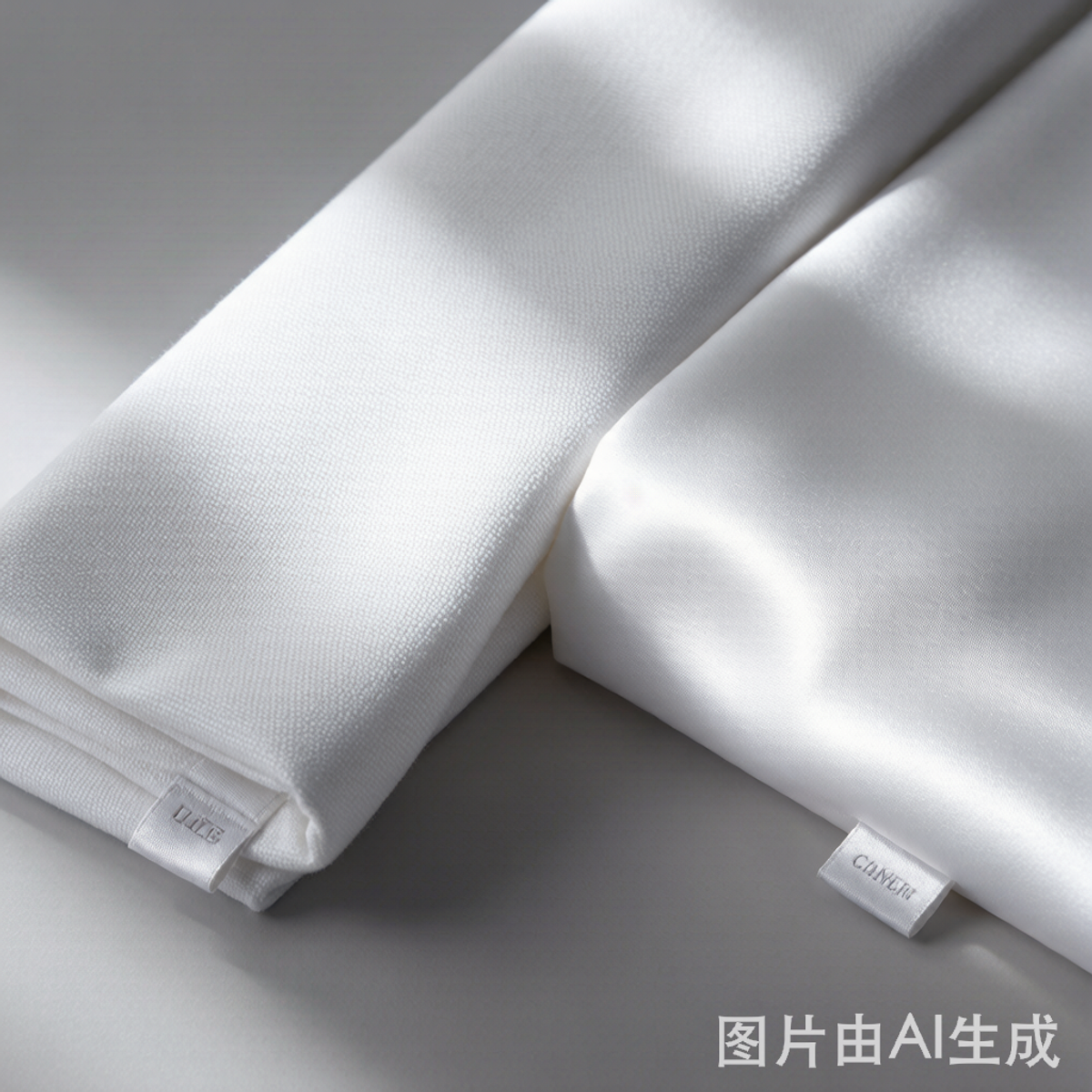
Hotel procurement managers face a fundamental decision when selecting bed linens: percale or sateen? This choice affects not only the guest experience but also laundry costs, replacement cycles, and housekeeping workflow. Understanding the structural differences between these two weave types — and how they perform in commercial hospitality environments — is essential for making informed purchasing decisions.
The Weave Difference: One-Over-One-Under vs. Four-Over-One-Under
Percale uses a plain weave: one warp thread over, one weft thread under, in a tight grid pattern. This creates a matte finish with a crisp, cool hand feel. Sateen uses a satin weave: typically four warp threads over one weft thread. This exposes more of the yarn surface on the face side, producing a silky, lustrous finish. The structural difference has cascading effects: percale is inherently more breathable (more gaps in the weave), while sateen feels warmer against the skin (less air circulation). Sateen's floating yarns create a smoother surface but are more susceptible to snagging and pilling than percale's tightly interlocked grid.
Percale: The Hotel Industry Workhorse
Percale dominates the hotel industry for good reason. Its plain weave structure delivers superior durability — the fabric resists pilling, snagging, and thinning through hundreds of industrial wash cycles. It feels crisp and cool, which guests consistently associate with cleanliness and freshness. From an operational standpoint, percale sheets are easier to iron and fold, reducing housekeeping time per room. Most major hotel chains — Marriott, Hilton, IHG — standardize on percale for their core bedding programs. Typical specifications: 200-300 thread count for everyday use, 300-400 for premium rooms. Percale performs best at thread counts under 400; beyond that, the dense weave can reduce breathability without meaningful comfort gains.
Sateen: The Luxury Guest Experience
Need these specs quoted for your property?
Tell us your hotel tier, quantities and timeline — get a free, no-obligation quote within 24 hours.
Sateen is the choice for properties prioritizing the tactile guest experience. Its silky, drapey hand feel creates an immediate impression of luxury — guests notice the difference the moment they touch the sheets. Sateen also photographs better, making it ideal for properties that rely on visual marketing. However, sateen requires more careful handling: it wrinkles more easily (higher housekeeping labor for pressing), snags more readily on rough surfaces, and may show wear faster than percale under identical wash conditions. For 5-star and luxury boutique properties where guests expect indulgence, sateen remains the gold standard. Typical specifications: 300-600 thread count, with 400-500 being the sweet spot for balancing luxury feel with practical durability.
Thread Count Reality Check: Don't Be Fooled
A common procurement mistake is equating higher thread count with better quality — this is especially dangerous with sateen. Some suppliers inflate thread counts by counting individual plies in multi-ply yarns rather than actual woven threads. A legitimate 300 TC percale sheet will outperform a misleading "1000 TC" sateen sheet made with low-grade short-staple cotton. For percale, the practical maximum is around 400 TC. For sateen, 500-600 TC is the genuine ceiling for quality products. Beyond these thresholds, manufacturers are using creative counting methods rather than delivering real performance improvements. Always verify thread count specifications with an independent lab test rather than relying on packaging claims.
Laundry and Maintenance Comparison
In commercial laundry environments, percale and sateen behave differently. Percale releases stains more easily due to its tighter weave structure, requiring less aggressive chemical treatment. It also dries faster — 10-15% shorter dryer cycles compared to equivalent-weight sateen. Sateen's smoother surface resists initial staining but holds onto oils and skincare product residues more stubbornly, often requiring pre-treatment in hotel laundry operations. Over time, sateen loses its lustrous finish gradually (noticeable after 80-100 washes), while percale's matte appearance remains consistent throughout its lifespan. For properties with on-premise laundry, the operational cost differential favors percale by approximately 8-12% per wash cycle when accounting for chemical, energy, and labor differences.
Making the Right Choice for Your Property
Choose percale if: you operate a midscale to upscale property prioritizing durability and operational efficiency; your guests value crisp, cool bedding; you have high room turnover rates. Choose sateen if: you operate a luxury property where guest tactile experience drives reviews and repeat bookings; your housekeeping team has capacity for higher-maintenance linens; your marketing emphasizes visual luxury. Many properties use a hybrid approach — percale for standard rooms, sateen for suites and VIP accommodations. This strategy balances operational costs while still offering a premium upgrade path. Our Nantong partner mills produce both weaves to identical quality standards, allowing single-supplier procurement across your entire linen program.
Shop Related Products
Free PDF: Complete Hotel Linen Buying Guide
Step-by-step procurement guide covering specs, MOQ, pricing, QC, and shipping — based on real Dieshiqiao experience.
Need help sourcing hotel linens?
Get a free quote within 24 hours. No commitment required.
Request a QuoteRelated Articles
Linen (Flax) Fabric for Hotels: Properties, GSM Guide & Procurement Tips
Linen made from flax is the oldest textile fiber and one of the most luxurious options for hotel bedding. Learn GSM ranges, finishing types, and sourcing tips.
Bamboo & Alternative Fibers for Hotel Bedding: A Procurement Guide
Bamboo, modal, hemp, and linen for hotel bedding — explore alternative natural fibers, their performance characteristics, cost profiles, and procurement considerations.
Cotton Types for Hotel Linens: Egyptian, Pima & Long-Staple Explained
Compare Egyptian, Pima, and long-staple cotton for hotel bedding. Learn which fiber delivers the best durability, softness, and ROI for your property.