How Textile Innovation Is Reshaping Hotel Linen Procurement in 2026
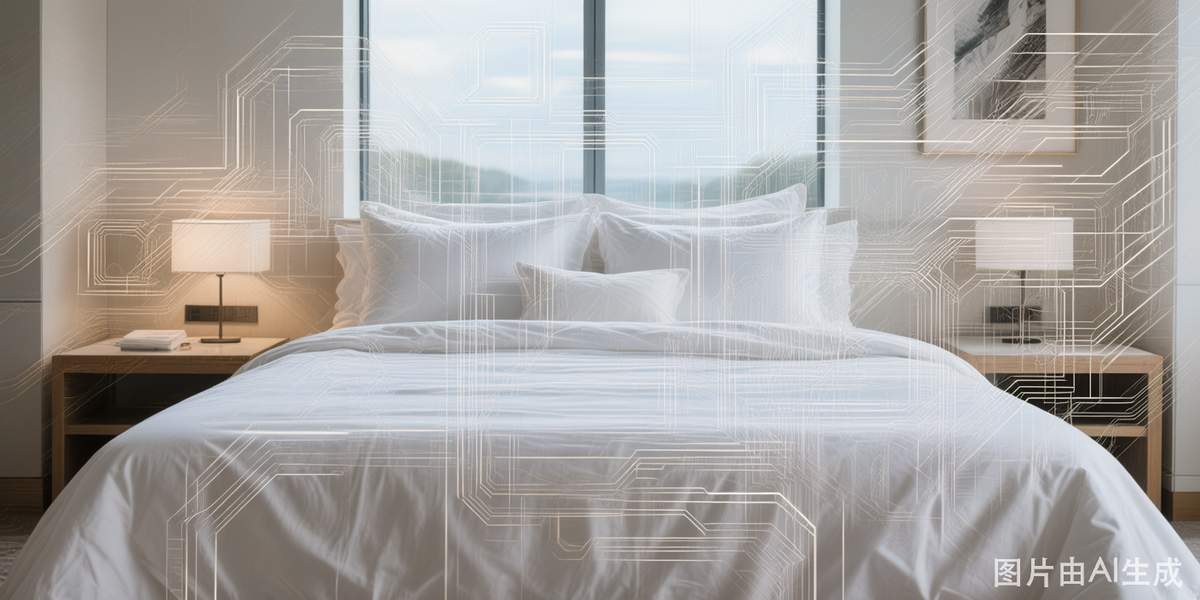
The global textile industry is undergoing a fundamental transformation. Driven by advances in material science, digital manufacturing, and sustainability mandates, the fabrics that furnish hotel rooms are evolving faster than at any point in the past decade. For hotel procurement managers, understanding these shifts is no longer optional—it directly affects guest satisfaction scores, operational costs, and brand positioning. This article examines the key textile innovations shaping 2026 and what they mean for hotel linen sourcing decisions.
Bio-Based Fibers: The Next Generation of Hotel Bedding
Bio-based fibers—derived from renewable sources such as corn starch, seaweed, and agricultural waste—have moved from laboratory prototypes to commercial-scale production in 2026. These materials now deliver performance characteristics that match or exceed conventional polyester and cotton blends: comparable tensile strength, superior moisture wicking, and a notably softer hand feel after repeated industrial laundering. For hotel buyers, bio-based bedding offers a tangible sustainability story without compromising the durability that high-occupancy properties demand. Several major textile mills in China have introduced bio-based hotel linen lines with OEKO-TEX and GOTS certifications, making them immediately specifiable for green building and LEED-certified projects.
Smart Manufacturing Means Better Quality Control
The integration of AI-powered visual inspection systems, automated guided vehicles (AGVs), and 5G-connected production lines is transforming how hotel linens are manufactured. In 2026, leading textile producers deploy AI cameras that scan every meter of fabric for defects at speeds exceeding 60 meters per minute—far more reliable than traditional human inspection. Digital twin technology allows mills to simulate how a specific fabric construction will perform through 200 or more industrial wash cycles before a single meter is woven. For procurement teams, this translates to fewer quality claims, more consistent batch-to-batch color matching, and reduced incoming inspection costs at the receiving dock.
Aerogel Fabrics and Thermal Regulation for Premium Properties
One of the most exciting material innovations reaching commercial maturity in 2026 is aerogel-infused textile composites. Originally developed for aerospace applications, aerogel fabrics deliver exceptional thermal insulation at a fraction of traditional material thickness. A duvet insert incorporating aerogel technology can provide equivalent warmth at approximately 30 percent less weight and volume compared to conventional down-alternative fills. For luxury and boutique hotels looking to differentiate their sleep experience, these next-generation materials offer a compelling premium-tier option. Early adopters in the hospitality sector report measurably improved guest feedback on bed comfort, particularly in properties located in regions with significant temperature variation.
Sustainability Is Now a Hard Procurement Requirement
Need these specs quoted for your property?
Tell us your hotel tier, quantities and timeline — get a free, no-obligation quote within 24 hours.
Supply Chain Resilience: Lessons from Recent Disruptions
The shift from single-source procurement to diversified, resilient supply networks is one of the defining procurement strategies of 2026. Global textile supply chains have adopted a China-plus-Southeast Asia-plus-nearshore model that balances cost efficiency with risk mitigation. For hotel linen specifically, the advantage of working with vertically integrated manufacturers remains compelling: they control the entire chain from yarn spinning to finished product packaging, which reduces lead time variability and simplifies quality accountability. Forward-thinking procurement teams now structure contracts with dual-supplier clauses and maintain strategic buffer stock agreements to insulate against unexpected demand spikes during peak tourism seasons.
The Technology Gap Is Becoming a Competitive Moat
Perhaps the most important pattern to recognize in 2026 is the widening gap between textile manufacturers who have embraced digital transformation and those who have not. Mills still operating on manual inspection and paper-based production tracking will increasingly struggle to meet the consistency requirements of international hotel brands. The capital investment required for AI inspection systems, automated cutting lines, and real-time production monitoring is substantial—ranging from half a million to several million dollars per production line—which means the supplier landscape is consolidating around well-capitalized, forward-looking manufacturers. For hotel buyers, supplier stability and technological capability should carry equal weight to unit pricing in procurement evaluations.
Practical Takeaways for Your Next Linen Sourcing Decision
Hotel procurement managers evaluating linen suppliers in 2026 should prioritize partners who demonstrate investment in automated quality control, can provide certified bio-based or recycled material options, and maintain transparent sustainability reporting. Request documented wash-cycle performance data from potential suppliers, ask for complete third-party certification portfolios, and whenever possible, conduct mill audits to verify claims in person. The long-term operational benefits—fewer replacements, lower guest complaints, stronger brand positioning—typically outweigh the marginal upfront cost difference of working with technologically advanced manufacturers.
The textile industry in 2026 is defined by material innovation, manufacturing intelligence, and sustainability integration—three forces that directly shape the quality, cost, and availability of hotel linens. Procurement managers who understand these trends can make sourcing decisions that improve guest experience, reduce operational friction, and align with corporate sustainability goals. In a market where the difference between a five-star and a four-star review can come down to the quality of the bedsheets, staying informed about textile technology is not just procurement diligence—it is a competitive advantage.
This article was adapted from Chinese textile industry sources. For custom hotel linen inquiries, visit nantonglinens.com.
Shop Related Products
Free PDF: Complete Hotel Linen Buying Guide
Step-by-step procurement guide covering specs, MOQ, pricing, QC, and shipping — based on real Dieshiqiao experience.
Need help sourcing hotel linens?
Get a free quote within 24 hours. No commitment required.
Request a QuoteRelated Articles
Hotel Linen Buyers: Two New China Textile Standards for 2026
Two new China textile standards - GB/T 29862-2026 fiber labels and GB/T 47782-2026 cooling tests - are reshaping hotel linen procurement compliance.
Hotel Linen Compliance 2026: New China Standards Guide
China's GB 18383-2025 and revised GB/T 22800 reshape hotel linen procurement in 2026. Non-compliant suppliers risk losing major chain contracts.
Hotel Textile Shrinkage Standards: Pre-Shrunk Processing, Testing & Buyer Specifications
Shrinkage is one of the most costly hidden defects in hotel linen. Learn mechanical vs relaxation shrinkage, sanforization processing, testing methods, and how to write shrinkage specs in your PO.